
Technology Innovation for Transportation Emission Mitigation

The Role of the Transportation Sector in Global Greenhouse Gas Emissions The transportation sector significantly contributes to global greenhouse gas (GHG) emissions, accounting for approximately 20-25% of total emissions worldwide. The reliance on fossil fuels for powering vehicles has made this sector one of the largest contributors to climate change. Within the sector, road transport, […]
NOx and Carbon Emissions: Impacts, Regulations and Solutions
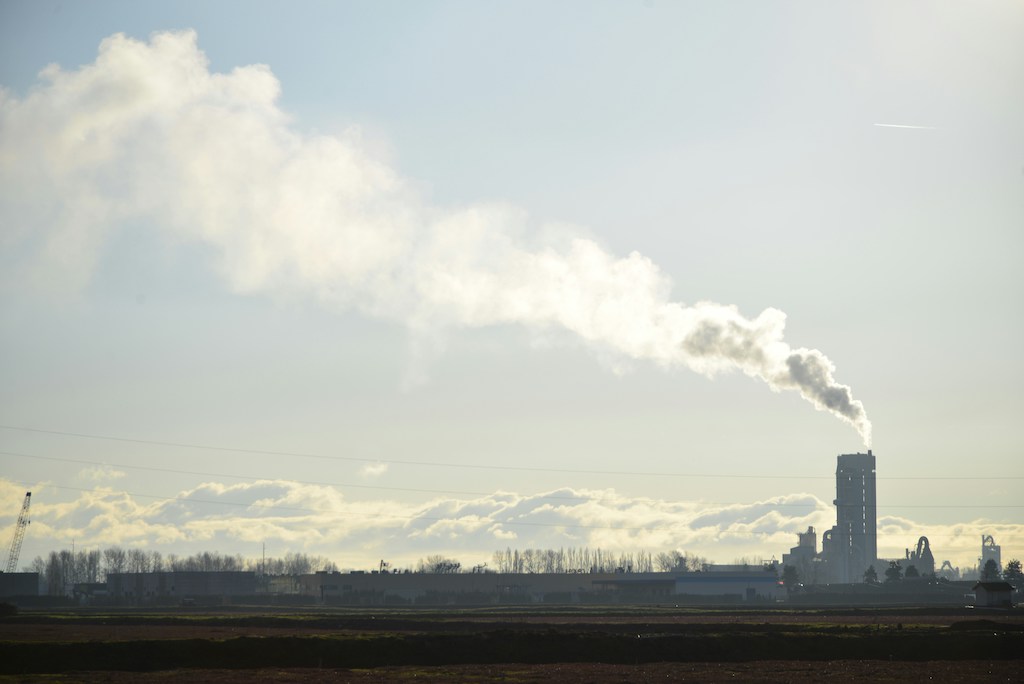
Nitrogen oxides (NOx) and carbon dioxide (CO2) emissions are two of the most pressing environmental challenges today. While CO2 is a primary greenhouse gas contributing to global warming, NOx compounds play a significant role in local air pollution, impacting public health and ecosystems. Addressing these emissions is critical to ensuring a sustainable future. The Difference […]
Record Emissions in 2024, What Should We Do?

What Happened to Emissions in 2024? In 2024, global carbon dioxide (CO2) emissions reached a record high of approximately 41.6 billion metric tons, marking a 2% increase compared to 2023. This includes emissions from fossil fuels and land-use changes, with fossil fuel emissions alone contributing 37.4 billion metric tons. This rise is particularly concerning as […]
Emission Test Failure in Vehicles and the Environment
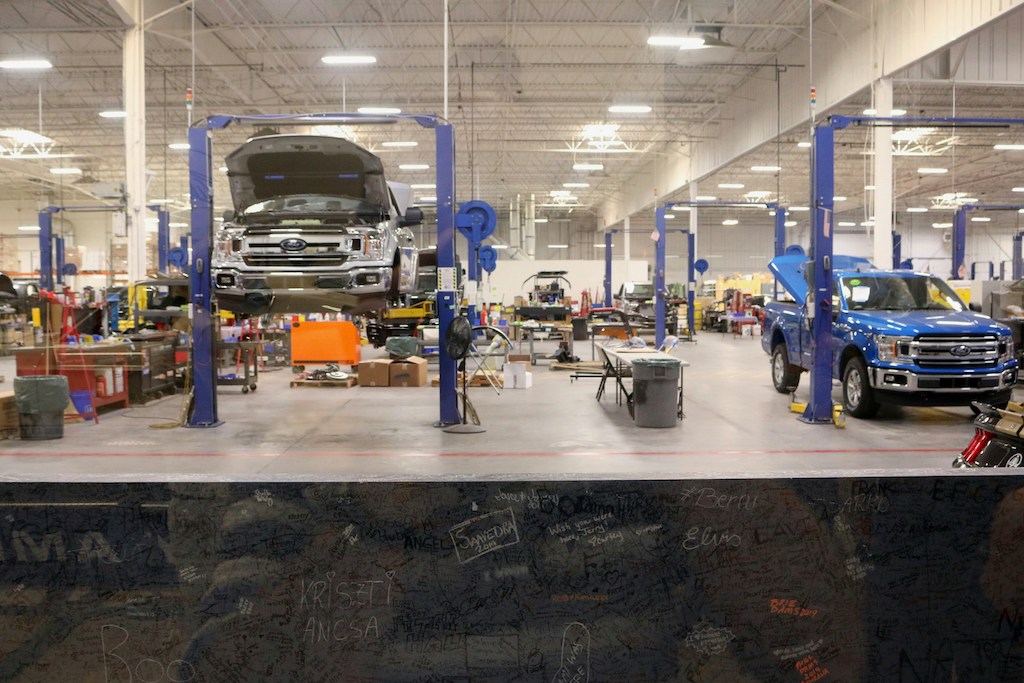
Emission tests are not just regulatory requirements, they reflect a collective commitment to sustainability. When vehicles fail such tests, the consequences ripple through mechanical performance, economic costs, and environmental health. The Main Causes of a Vehicle Failing an Emission Test Faulty Oxygen Sensors Oxygen sensors monitor the air-to-fuel ratio in the engine. A malfunctioning sensor […]
Emission Test Process: Stages and Technologies Used
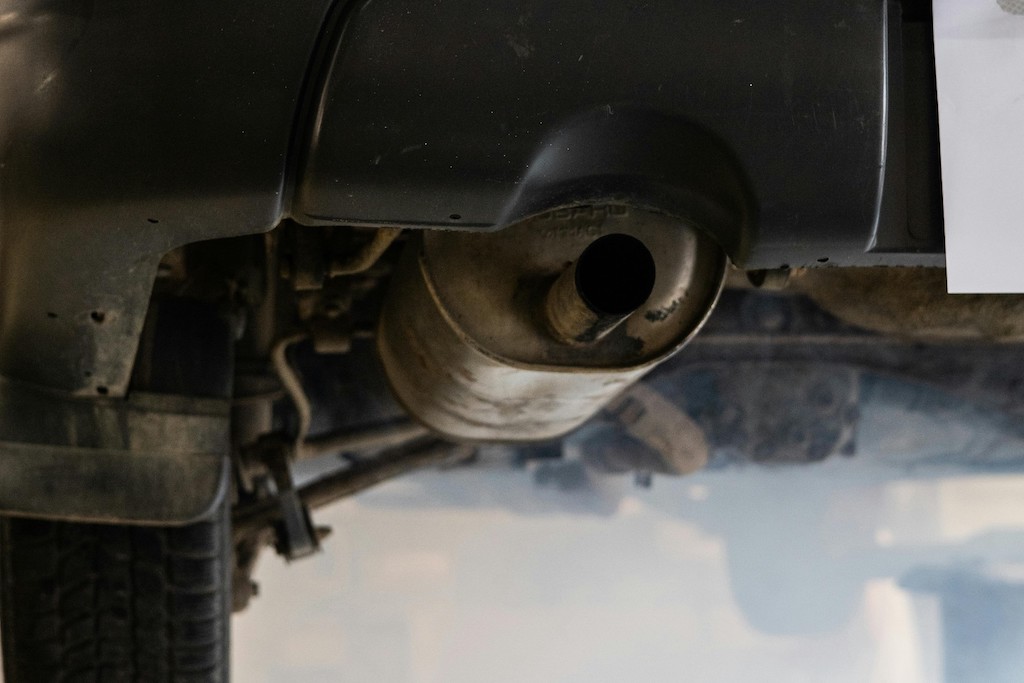
As environmental concerns continue to grow, emission tests have become a cornerstone of efforts to control air pollution and ensure compliance with regulations such as the European Emission Standards. These tests are essential for measuring the environmental impact of vehicles and industrial equipment, verifying that they meet permissible emission limits. Understanding the Emission Test Emission […]
Overview: Government Efforts to Reduce Emissions

Indonesia’s Emissions Status and Issues Indonesia, as one of the world’s largest archipelagic nations, faces significant challenges in managing its environmental impact, particularly in terms of air pollution and greenhouse gas (GHG) emissions. The country’s rapid economic development, coupled with industrial growth, has led to an increase in emissions from transportation, manufacturing, and energy production. […]
AdBlue®’s Role in The Zero Emission Efforts

In recent years, the world has urgently sought to reduce harmful emissions and mitigate the impact of climate change. A critical part of this global effort is reducing nitrogen oxides (NOx). These gases are significant contributors to air pollution. They also play a major role in driving climate change, making their reduction essential. The concept […]
SCR & AdBlue®: Why SCR Technology Investment Makes Sense

Selective Catalytic Reduction (SCR) technology, coupled with the use of AdBlue®, has emerged as a pivotal solution in addressing harmful vehicle emissions. For businesses and governments striving to meet stringent environmental standards while managing economic interests, the investment in SCR technology presents significant economic and environmental benefits. Economic Benefits of Investing in SCR and AdBlue® […]
AdBlue® Maintenance: What Every Driver Needs to Know
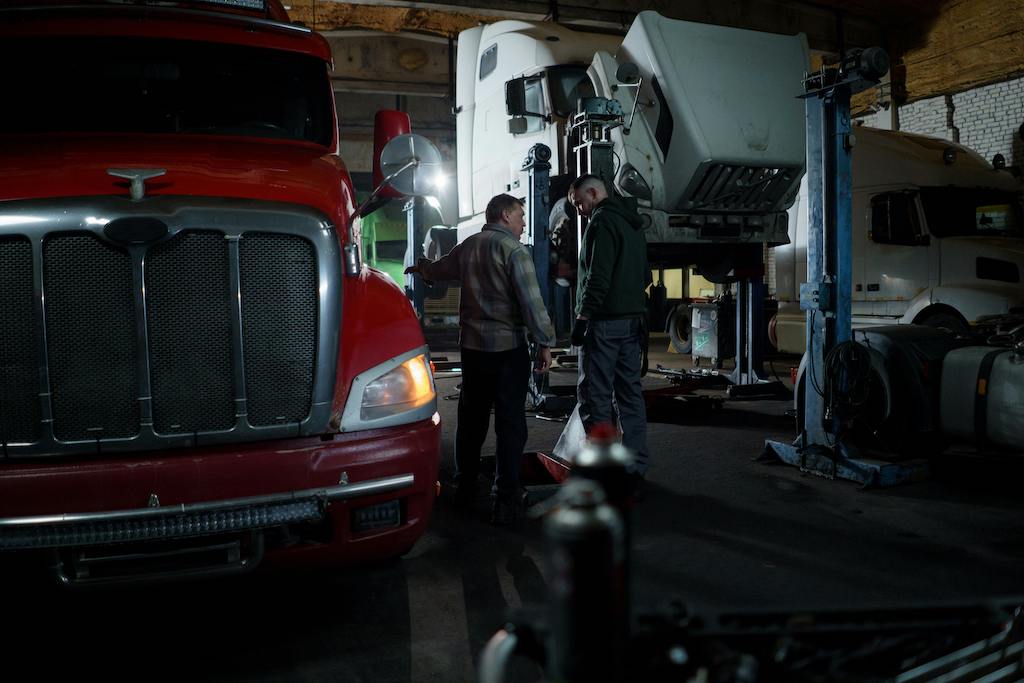
As the use of AdBlue® becomes more widespread, it’s essential for drivers to understand its maintenance requirements to keep their vehicles running smoothly and in compliance with emission standards. This article covers everything you need to know about AdBlue® maintenance, including the types of vehicles that use it, refilling best practices, and potential consequences of […]
SCR: Reducing Emissions Without Particulate Accumulation
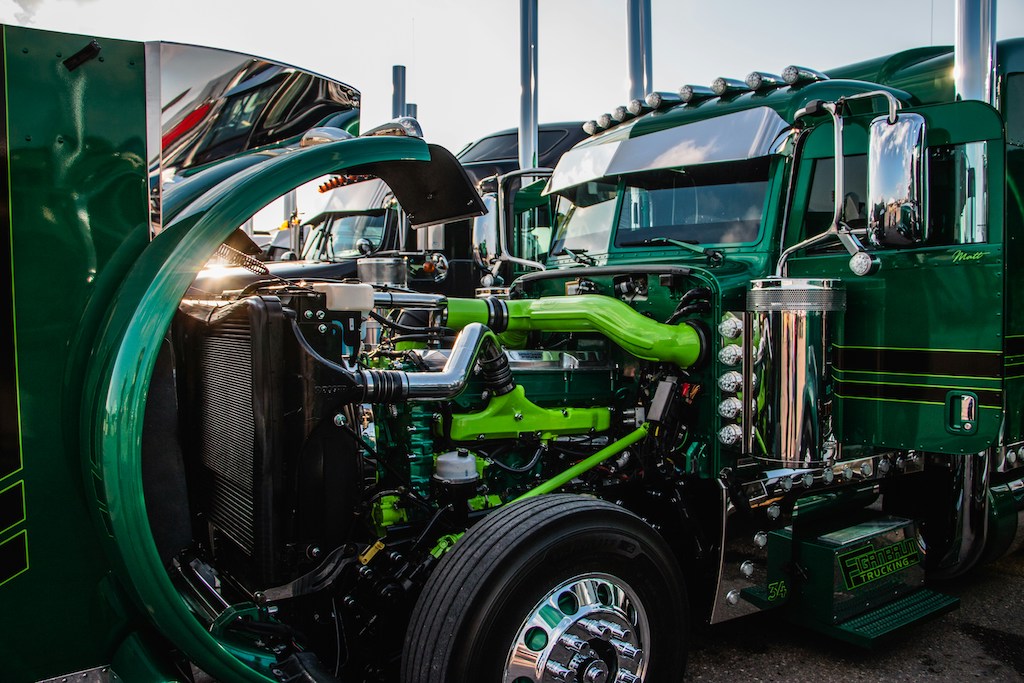
Selective Catalytic Reduction (SCR) has emerged as a pivotal technology in the quest to reduce harmful emissions from diesel engines. Unlike some other systems, SCR effectively minimizes the buildup of particulate matter, presenting a more sustainable solution for cleaner air. SCR Working Principle That Minimizes Soot Buildup At its core, SCR operates by injecting a […]