

Introduction
Metal surfaces are widely used in various industrial applications, including automotive, heavy equipment, mining, manufacturing, construction, energy, and transportation. However, continuous exposure to moisture, chemicals, abrasion, temperature changes, and other harsh environmental conditions can gradually affect the condition and performance of these surfaces.
One of the methods commonly used to improve metal surface protection is the combination of sandblasting and protective coating. Sandblasting prepares the surface by removing contaminants and unwanted layers, while protective coating provides an additional layer of protection against external factors that may cause surface degradation.
For industrial facilities, this process is not simply about making a metal surface look cleaner or more attractive. Proper surface preparation and coating can become part of a broader asset maintenance and corrosion protection strategy, helping extend the service life of equipment, structures, and metal components.
So, what exactly is protective coating with sandblasting, and why is this process important for industrial applications?
What Is Protective Coating with Sandblasting?
Protective coating with sandblasting is a surface protection process that combines abrasive blasting, commonly known as sandblasting, with the application of a protective coating system.
Sandblasting is performed to clean and prepare a metal surface before coating. During this process, abrasive media are propelled against the surface at controlled pressure to remove contaminants such as rust, old coating, scale, dirt, and other unwanted materials.
The purpose is not only to make the surface visibly clean but also to create a suitable surface profile that allows the protective coating to achieve proper adhesion.
After the surface has been prepared according to the coating system requirements, the next step is the application of the protective coating. Depending on the application and environmental conditions, different coating systems may be selected to provide protection against corrosion, moisture, chemicals, abrasion, and other operational factors.
Therefore, the overall process can be viewed as two interconnected stages: surface preparation and surface protection.
The Role of Sandblasting in Surface Preparation
Surface preparation is one of the most important stages before applying a protective coating.
Even when a metal surface looks relatively clean, it may still contain rust, oil, grease, dust, mill scale, old coating, or other contaminants that can interfere with coating adhesion.
Sandblasting helps remove these contaminants and expose a cleaner metal surface.
In addition to cleaning, abrasive blasting can create a controlled surface profile. This profile provides additional mechanical bonding points for the coating, helping the coating adhere properly to the substrate.
The required level of surface preparation can vary depending on factors such as the type of coating system, condition of the substrate, operating environment, and project specifications.
For industrial projects, surface preparation should therefore be planned according to the technical requirements of the coating system rather than based solely on visual cleanliness.
The Role of Protective Coating in Protecting Metal Surfaces
After surface preparation, protective coating serves as a barrier between the metal substrate and the surrounding environment.
Metal surfaces can be exposed to moisture, oxygen, chemicals, salt, temperature fluctuations, and mechanical abrasion during operation. Without adequate protection, these factors may contribute to corrosion and gradual deterioration.
A suitable protective coating system can help reduce direct exposure of the metal surface to these external factors.
Depending on the formulation and application, protective coatings may provide resistance against:
- Corrosion
- Moisture and humidity
- Chemical exposure
- Abrasion and mechanical wear
- Environmental exposure
- Temperature variations
The appropriate coating system should be selected based on the actual operating conditions. A coating designed for a relatively mild environment may not necessarily be suitable for an application involving aggressive chemicals, high humidity, heavy abrasion, or continuous outdoor exposure.
For this reason, coating selection should consider the substrate, operating environment, expected exposure, required service life, and project specifications.
Why Is Proper Surface Preparation Important Before Coating?
One of the most common factors affecting coating performance is the condition of the surface before application.
A protective coating may have good technical properties, but its performance can still be compromised if it is applied over a contaminated or poorly prepared surface.
For example, residual oil or grease can interfere with adhesion. Rust that has not been properly removed can continue to affect the substrate beneath the coating. Loose old coating may also cause the new coating system to detach from the surface.
This is why sandblasting and other appropriate surface preparation methods are often considered an essential part of protective coating projects.
Proper preparation helps create a more suitable substrate for coating application and can contribute to better adhesion and more consistent coating performance.
Benefits of Sandblasting and Protective Coating for Industry
The combination of sandblasting and protective coating can provide several benefits for industrial facilities.
1. Helps Protect Metal Surfaces from Corrosion
Corrosion can become a significant concern for industrial assets, particularly those operating in humid, outdoor, marine, or chemically aggressive environments.
By removing corrosion products during surface preparation and applying an appropriate protective coating, the metal surface can receive an additional barrier against environmental exposure.
This can help support a longer service life when the coating system is properly selected, applied, and maintained.
2. Helps Improve Coating Adhesion
A properly prepared surface allows the coating to bond more effectively with the substrate.
Sandblasting can create a controlled surface profile that supports mechanical adhesion between the coating and the metal surface.
Good adhesion is important because premature coating failure can result in additional maintenance requirements and potentially expose the underlying metal to environmental conditions.
3. Helps Reduce Maintenance Requirements
Surface deterioration and corrosion can lead to repeated maintenance activities if they are not managed properly.
A suitable protective coating system can help reduce direct exposure of the substrate to environmental factors, potentially supporting a more structured maintenance strategy.
However, coating should not be considered a replacement for inspection and maintenance. Regular inspection remains important to identify early signs of coating degradation or damage.
4. Supports Asset Protection
Industrial equipment and structures represent significant investments. Protecting their surfaces can be part of an overall asset management strategy.
Components such as steel structures, tanks, machinery, heavy equipment parts, pipelines, and other metal assets may benefit from suitable surface preparation and coating systems depending on their operating environment.
5. Improves Surface Appearance
In addition to protection, protective coating can improve the appearance of metal surfaces.
A properly prepared and coated surface can provide a cleaner, more uniform, and more professional appearance, which can be particularly relevant for visible equipment, facilities, and industrial structures.
Applications in Various Industrial Sectors
Sandblasting and protective coating can be applied across a wide range of industries.
In the mining and heavy equipment sector, the process can be used for equipment components and metal structures exposed to dust, moisture, abrasion, and demanding operating conditions.
In manufacturing facilities, protective coating may be applied to machinery components, steel structures, tanks, and other metal surfaces that require additional protection.
For the automotive and transportation sectors, surface preparation and coating can support the protection of components and structures exposed to mechanical wear, moisture, and environmental conditions.
In construction, structural steel and other metal components can require corrosion protection before or during their service life.
Meanwhile, the energy sector may require protective coating systems for various metal assets exposed to outdoor environments, moisture, chemicals, temperature variations, and other demanding conditions.
The appropriate system will depend on the specific application, substrate, environmental exposure, and project requirements.
Factors to Consider Before Sandblasting and Protective Coating
Before starting a protective coating project, several technical factors should be evaluated.
Surface Condition
The existing condition of the metal should be inspected to identify rust, old coating, contamination, mechanical damage, and other surface conditions.
Operating Environment
The coating system should be selected according to the environment in which the asset will operate, including humidity, chemical exposure, temperature, UV exposure, and abrasion.
Surface Preparation Requirements
The required surface preparation level should be determined based on the coating manufacturer’s technical specifications and project requirements.
Coating System
Different coating systems provide different levels of resistance and performance. Therefore, coating selection should be based on the actual demands of the application rather than using the same system for every project.
Application Conditions
Temperature, humidity, surface temperature, and other environmental conditions can affect coating application and curing. These factors should be monitored during the coating process.
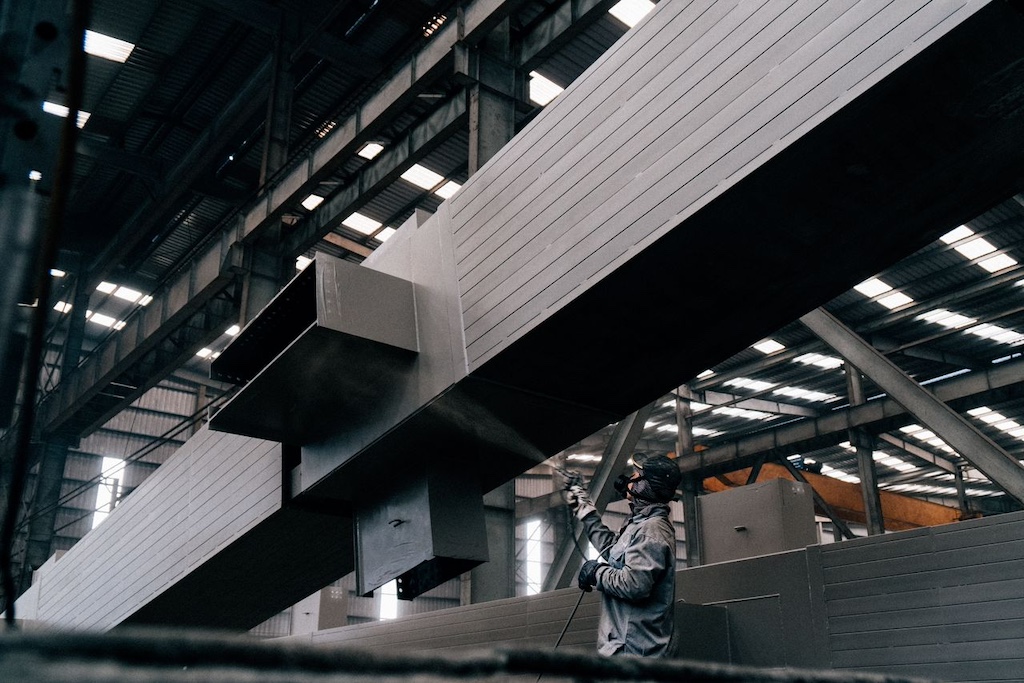
Sandblasting and Protective Coating as Part of Surface Protection
Protective coating should not be viewed as a standalone process. Its effectiveness depends on a combination of factors, including surface condition, preparation method, coating selection, application quality, and maintenance.
Sandblasting provides the foundation by preparing the metal surface. The protective coating then adds a barrier designed to reduce exposure to corrosive and damaging environmental factors.
When these processes are properly planned and executed, they can support a more systematic approach to industrial surface protection.
For procurement, engineering, maintenance, and project teams, understanding the relationship between surface preparation and coating performance can also help when evaluating contractors, coating systems, project specifications, and maintenance requirements.
Conclusion
Protective coating with sandblasting is a surface protection process that combines thorough surface preparation with the application of a protective coating system. Sandblasting helps remove rust, contaminants, old coatings, and other unwanted materials while creating a suitable surface profile for coating adhesion.
The protective coating then acts as an additional barrier against corrosion, moisture, chemicals, abrasion, and other environmental conditions, depending on the characteristics of the selected coating system.
For industries such as automotive, heavy equipment, mining, manufacturing, construction, energy, and transportation, proper surface preparation and coating can become an important part of asset protection and maintenance planning.
The success of a protective coating system does not depend solely on the coating material. Proper inspection, surface preparation, coating selection, application conditions, and ongoing maintenance all contribute to long-term performance.
As part of its surface protection solutions, Hasgara provides services related to sandblasting and protective coating to support various industrial surface protection requirements.
Ultimately, a well-planned coating system begins with understanding the condition of the substrate and selecting the right preparation and protection method based on the actual demands of the operating environment.
Read other Articles: Why Should Surface Rust Be Removed Before Applying a Coating?