

Introduction
In industries such as manufacturing, construction, automotive, and marine, protective coatings are among the most effective ways to protect metal surfaces from corrosion, abrasion, chemical exposure, and harsh environmental conditions. A properly applied coating can significantly extend the service life of metal components while reducing long-term maintenance costs.
However, the success of a coating system depends on more than just the quality of the coating material itself. One of the most critical factors is surface preparation before the coating is applied.
Many people assume that a thin layer of rust will not affect the final coating result. In reality, even light surface rust can become one of the leading causes of coating failure, resulting in peeling, blistering, and corrosion that develops beneath the protective layer.
For this reason, removing rust before applying a coating is not simply an optional step—it is an essential part of ensuring that the coating performs effectively and lasts as long as intended.
The Relationship Between Rust and Coating Adhesion
The primary purpose of a coating is to create a durable protective layer that bonds firmly to the metal surface. To achieve this, the substrate must be clean, stable, and free from contaminants.
Rust is a layer of iron oxide formed when iron reacts with oxygen and moisture. Unlike solid metal, rust is porous, brittle, and structurally weak. When a coating is applied over a rusty surface, it does not adhere directly to the metal. Instead, it bonds to the unstable rust layer.
As a result, the coating’s adhesion is significantly weaker than if it had been applied to properly cleaned metal. Over time, this weak bond can cause the coating to lose adhesion and fail prematurely, even if a high-quality coating product was used.
How Does Rust Cause Coating Failure?
Removing rust is not only about improving the appearance of the metal—it is also essential for preventing coating failures after application. Some of the most common coating failures caused by remaining rust include:
Coating Peeling
Since rust lacks structural strength, any coating applied over it can peel away as the rust layer separates from the metal surface. When this happens, the coating can no longer provide effective protection.
Blistering
Rust is porous and can retain moisture. If rust remains trapped beneath the coating, moisture can become sealed underneath, creating internal pressure that forms blisters on the coating surface.
As these blisters grow and eventually burst, they expose the underlying metal to water and oxygen, accelerating corrosion.
Corrosion Beneath the Coating
A common misconception is that applying a coating will stop corrosion completely. However, if iron oxide remains underneath the coating, the corrosion process can continue beneath the protective layer even when the outer surface appears intact.
This phenomenon is known as underfilm corrosion, where corrosion spreads beneath the coating without being immediately visible. By the time visible damage appears, the corrosion is often extensive and requires more costly repairs.
Reduced Coating Lifespan
Coatings applied to poorly prepared surfaces generally have a much shorter service life. As a result, repainting or recoating becomes necessary more frequently, increasing overall maintenance costs.
The Role of Rust Cleaner in Surface Preparation Before Coating
Before applying any protective coating, the metal surface should be free from rust, oil, dust, and other contaminants. One effective way to remove rust is by using a Rust Cleaner.
Rust Cleaner works by chemically dissolving or loosening the iron oxide layer from the metal surface. Compared to mechanical methods such as sanding or wire brushing, Rust Cleaner can reach areas that are difficult to clean manually, including tight corners, threaded bolts, and narrow gaps between components.
With a properly cleaned surface, the coating can bond directly to the metal substrate, resulting in stronger adhesion and longer-lasting protection.
In many industrial applications, Rust Cleaner is an important part of the surface preparation process before repainting, epoxy coating, powder coating, or other anti-corrosion coating systems.
For optimal results, the cleaning process should be followed by rinsing, drying, and carefully inspecting the surface before the coating is applied.
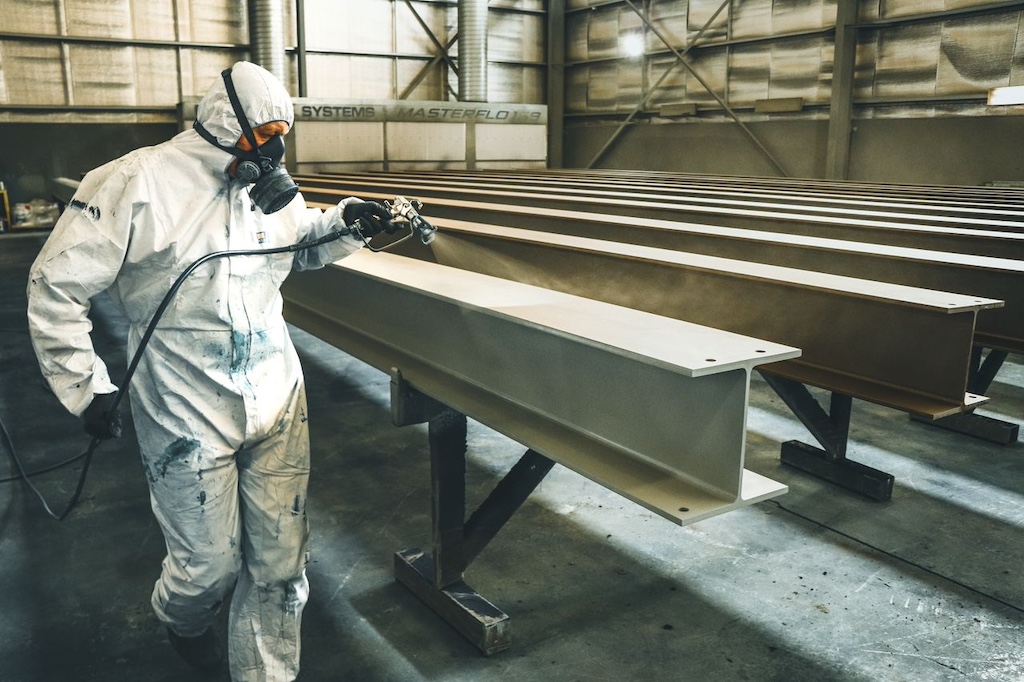
Why Is Surface Preparation Essential for a Successful Coating?
Studies in corrosion protection consistently show that the long-term performance of a coating depends largely on the quality of surface preparation—not just the quality of the coating material itself. Proper surface preparation offers several important benefits:
- Improves coating adhesion to the metal surface.
- Reduces the risk of peeling and blistering.
- Extends the lifespan of the coating.
- Lowers maintenance costs by reducing the need for recoating.
- Produces a cleaner, smoother, and more professional finish.
In other words, cleaning the surface before coating is an investment that significantly improves the long-term effectiveness of corrosion protection.
Conclusion
Rust does more than affect the appearance of metal—it is also one of the leading causes of coating failure. Iron oxide left on the surface can reduce coating adhesion, lead to peeling and blistering, and allow corrosion to continue developing beneath the protective layer.
By performing proper surface preparation, including the use of Rust Cleaner to remove rust before coating, metal surfaces can be prepared for maximum coating performance and long-lasting protection.
Whether in manufacturing, construction, automotive, or marine applications, removing rust before coating is a simple yet essential step that greatly improves coating quality, reduces maintenance costs, and extends the service life of metal components. With proper preparation, a protective coating becomes more than just a surface finish—it becomes a long-term investment in equipment reliability and asset protection.
Read other Articles: Carbon Remover: Precision Solutions for Residue-Free Engines