

Introduction
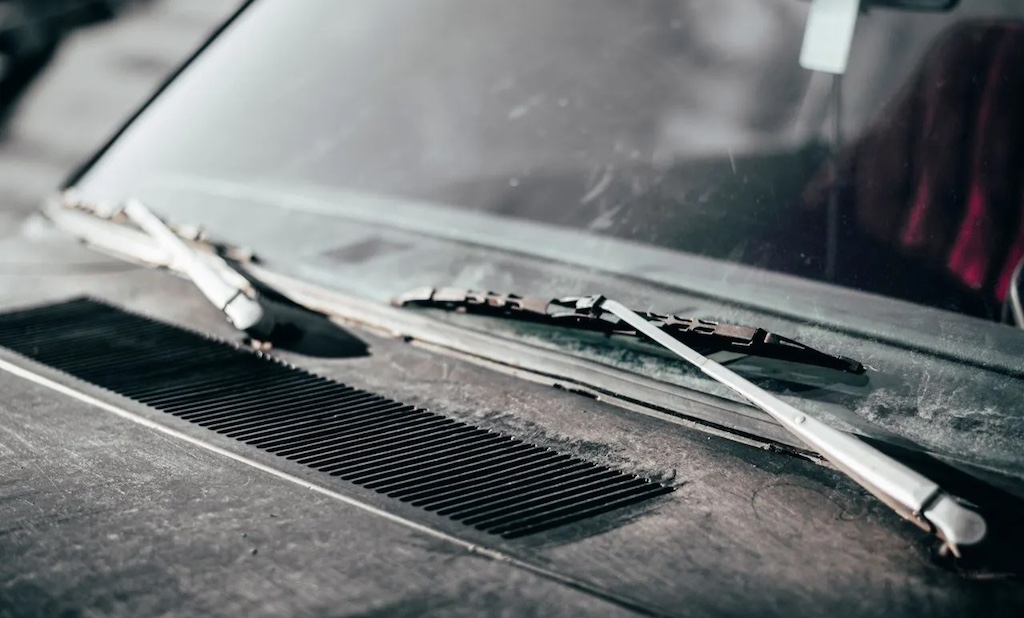
Vehicle interiors are frequently used by drivers and passengers, making cleanliness an important aspect of vehicle maintenance. However, dust and dirt can easily accumulate on dashboards, seats, carpets, door panels, and other surfaces, even when the vehicle is cleaned regularly.
This condition can be influenced by several factors, including sources of contamination, interior material characteristics, and vehicle usage frequency. In operational vehicles, such as trucks, buses, and heavy equipment, dirt can accumulate even faster due to exposure to dusty working environments. Understanding these causes is the first step toward determining the right interior cleaning and maintenance methods.
Sources of Dust and Dirt Inside Vehicles
Dust and dirt inside vehicle interiors can come from various sources. One of the main sources is outdoor air entering through doors, windows, and ventilation systems. Dust particles from roads, construction sites, mining areas, and industrial zones can be carried into the cabin, especially when vehicles frequently operate in environments with high levels of dust exposure.
In addition, footwear, clothing, personal belongings, and the activities of drivers and passengers can bring sand, soil, fabric fibers, and other particles into the cabin. Air circulation through the AC system can also contribute to dust distribution if the cabin filter is not cleaned or replaced according to the recommended schedule. The combination of these sources allows dirt to accumulate on interior surfaces and in hard-to-reach areas.
How Interior Materials Affect Dirt Accumulation
The type of interior material also determines how easily dust and dirt accumulate. Textured or porous materials, such as fabric seats and carpets, tend to trap dust particles, sand, and other debris. Without thorough cleaning, these particles can settle deep within the fibers and become increasingly difficult to remove.
Meanwhile, surfaces made of plastic, vinyl, leather, and synthetic materials have different characteristics. Dust can stick to these surfaces due to static electricity, while oils from hands, sweat, and cleaning product residues can form a layer that makes surfaces feel sticky. Therefore, cleaning methods and products should be selected according to the material type to remove dirt without damaging its coating, color, or texture.
The Importance of Regular Interior Cleaning
Regular interior cleaning is essential for maintaining vehicle comfort, cleanliness, and material condition. Dust that is left to accumulate can affect cabin air quality, particularly for people who spend long periods inside their vehicles. In operational vehicles and industrial fleets, interior cleanliness is also part of asset maintenance and workplace hygiene standards.
Cleaning can be carried out by vacuuming seats and carpets, wiping dashboards and panels with a microfiber cloth, and cleaning hard-to-reach areas. Cabin filters should also be inspected regularly. For stubborn stains or dirt, use interior cleaning products that are suitable for the material and follow the product instructions. Avoid using overly harsh chemicals, as they may cause discoloration or surface damage.
Cleaning frequency should be adjusted based on vehicle usage and operating environment. Vehicles operating in mining, construction, or dusty road conditions generally require more frequent inspections and cleaning than vehicles used in urban environments.
Conclusion
Dust and dirt easily accumulate on vehicle interiors due to various factors, including sources of contamination, material characteristics, and vehicle operating conditions. Therefore, regular cleaning and the proper selection of cleaning products are essential for maintaining cleanliness and extending the service life of interior materials.
As a provider of chemical solutions for industrial needs, Hasgara supports maintenance requirements across various sectors with product options that can be tailored to specific applications. By selecting the right products and cleaning procedures, vehicle interiors can be kept cleaner, helping maintain comfort and support operational activities.
Read other Articles: Asphalt Remover, Effective for Industry and Project Sites