

Introduction
In modern diesel engines, the Exhaust Gas Recirculation (EGR) system plays an important role in reducing exhaust emissions while helping vehicles comply with increasingly strict environmental regulations. It works by recirculating a portion of the exhaust gases back into the combustion chamber, lowering combustion temperatures and reducing the formation of nitrogen oxides (NOx).
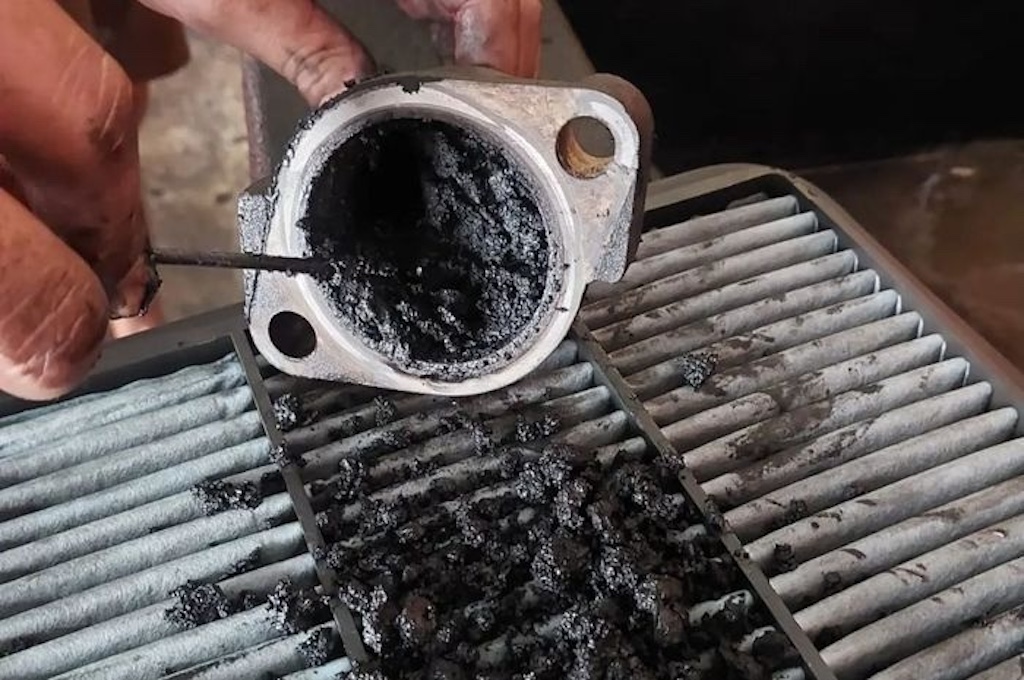
However, because the recirculated exhaust gases still contain soot, carbon particles, and combustion residue, the EGR system is one of the engine components most prone to carbon deposit build-up. This process occurs gradually and often shows no obvious symptoms at first.
If left untreated, carbon deposits can restrict the movement of the EGR Valve, narrow the EGR passages, and disrupt the flow of both air and exhaust gases. As a result, engine performance declines, fuel consumption increases, and exhaust emissions become higher.
So, how can you tell when your EGR system needs cleaning? Should you wait until problems appear, or should EGR cleaning be part of routine maintenance? Understanding the warning signs can help prevent costly repairs while maintaining optimal engine performance.
Factors That Accelerate Carbon Deposit Build-Up in the EGR System
Carbon deposits in the EGR system are a natural result of engine operation. However, several factors can accelerate the build-up, causing the system to require cleaning sooner than expected.
Frequent Short-Distance Driving
Vehicles that are mostly used for short trips often do not reach their optimal operating temperature. As a result, combustion becomes less efficient and produces more soot, which gradually accumulates inside the EGR system.
Heavy Stop-and-Go Driving
Frequent traffic congestion or operating conditions that require constant stopping and starting keep the engine running at lower RPMs for extended periods. This increases the formation of carbon deposits in both the EGR passages and the intake system.
Heavy Engine Loads
Commercial vehicles, trucks, heavy equipment, and industrial machines often operate under heavy loads, producing larger volumes of exhaust gases. The more exhaust gas passes through the EGR system, the greater the potential for carbon deposits to develop.
Infrequent Engine Maintenance
Dirty air filters, poorly functioning fuel injectors, or inefficient combustion systems can increase soot production, accelerating carbon accumulation inside the EGR system.
Low-Quality Fuel
Using fuel that does not meet the manufacturer’s specifications can lead to incomplete combustion, producing more carbon residue that eventually enters the EGR system.
Signs That Your EGR System Needs Cleaning
Carbon deposits usually build up gradually. Fortunately, the engine often provides warning signs before the problem becomes severe.
Reduced Engine Power
One of the most common symptoms is a noticeable loss of engine power. The vehicle may feel less responsive during acceleration or struggle when carrying heavy loads. This occurs because carbon deposits restrict the proper flow of air and exhaust gases through the EGR system.
Rough or Unstable Idling
Carbon build-up can prevent the EGR Valve from opening or closing properly. As a result, the engine may idle roughly, vibrate excessively, or occasionally feel like it is about to stall.
Increased Fuel Consumption
When the combustion process becomes less efficient due to EGR system issues, the engine requires more fuel to produce the same amount of power. If fuel consumption increases without an obvious reason, it may be time to inspect the EGR system.
Check Engine Light Turns On
Modern vehicles use electronic control systems to monitor EGR performance. If sensors detect abnormal exhaust gas flow or improper EGR Valve operation, the Check Engine light may illuminate to alert the driver.
Darker Exhaust Smoke
Incomplete combustion caused by an improperly functioning EGR system can increase particulate emissions, making the exhaust smoke appear darker than normal.
When Is the Right Time to Perform EGR Cleaning?
There is no universal service interval for EGR cleaning because maintenance schedules depend on engine type, operating conditions, and manufacturer recommendations.
In general, EGR cleaning should be considered when:
- The vehicle begins to show signs of reduced engine performance.
- Carbon deposits are discovered during routine inspections.
- The vehicle reaches the manufacturer’s recommended maintenance interval.
- The engine frequently operates under heavy-duty conditions or in dusty environments.
- Diagnostic tests indicate problems within the EGR system.
In addition to addressing existing symptoms, many technicians recommend including EGR cleaning as part of a preventive maintenance program. This approach prevents carbon deposits from becoming excessively thick, making cleaning easier while reducing the risk of component damage.
Using an EGR Cleaner specifically formulated to dissolve carbon deposits can significantly improve cleaning effectiveness, especially when performed before heavy build-up occurs.
EGR Cleaning vs. Component Replacement
When the EGR system begins to experience problems, many vehicle owners immediately assume that the EGR Valve must be replaced. However, this is not always necessary.
If carbon build-up is the primary cause, EGR cleaning is often sufficient to restore the proper function of both the EGR Valve and its passages. Proper cleaning removes accumulated carbon deposits, allowing the valve to move freely again and restoring smooth exhaust gas flow.
However, if inspection reveals mechanical damage—such as a worn valve, damaged actuator, broken spring, or faulty sensor—component replacement becomes the better solution.
For this reason, a thorough inspection should always be performed before deciding to replace an EGR Valve. In many cases, routine EGR cleaning is a much more cost-effective solution than replacing components damaged by carbon deposits that could have been removed through regular maintenance.
Conclusion
The EGR system is a vital component of modern diesel engines, operating continuously in an environment filled with carbon particles and soot. While carbon deposits are unavoidable, their impact can be significantly reduced through proper maintenance.
Understanding the causes of carbon build-up, recognizing early warning signs, and performing EGR cleaning at the right time help maintain engine performance, improve fuel efficiency, and support effective emissions control.
Rather than waiting for component failure, implementing preventive maintenance through regular inspections and cleaning is a more effective and economical approach. With proper care, the EGR system can continue operating efficiently, extend component lifespan, and ensure reliable engine performance under a wide range of operating conditions.
Read other Articles: What’s the Difference Between Multipurpose Cleaner & Heavy Duty Degreaser?