

Environmental pollution has become a global issue that urgently needs to be addressed. Two major pollutants that significantly contribute to environmental damage are carbon and oil. Carbon emissions from industrial activities and transportation accelerate climate change, while oil spills and waste pollute land, water, and marine ecosystems. When carbon and oil pollute nature, the consequences are felt not only by the environment but also by human health and the sustainability of life on Earth. Therefore, it is time for all parties to take real action to reduce and control this pollution.
Carbon and Oil: Two Pollutants with Different Impacts
Carbon, especially in the form of carbon dioxide (CO₂), is a greenhouse gas that plays a major role in global warming. Carbon emissions are produced by the burning of fossil fuels such as coal, petroleum, and natural gas. The accumulation of carbon in the atmosphere causes rising global temperatures, changes in weather patterns, and an increase in the frequency of natural disasters such as floods and droughts.
Oil, on the other hand, is a pollutant that has a direct physical impact on the environment. Oil waste and spills can contaminate water bodies, damage marine habitats, and disrupt aquatic life. On land, oil can seep into the soil, reduce soil fertility, and pollute groundwater sources. Although their characteristics and impacts differ, both carbon and oil pose serious threats to ecosystem balance.
Human Activities Behind Pollution and Their Real Impacts
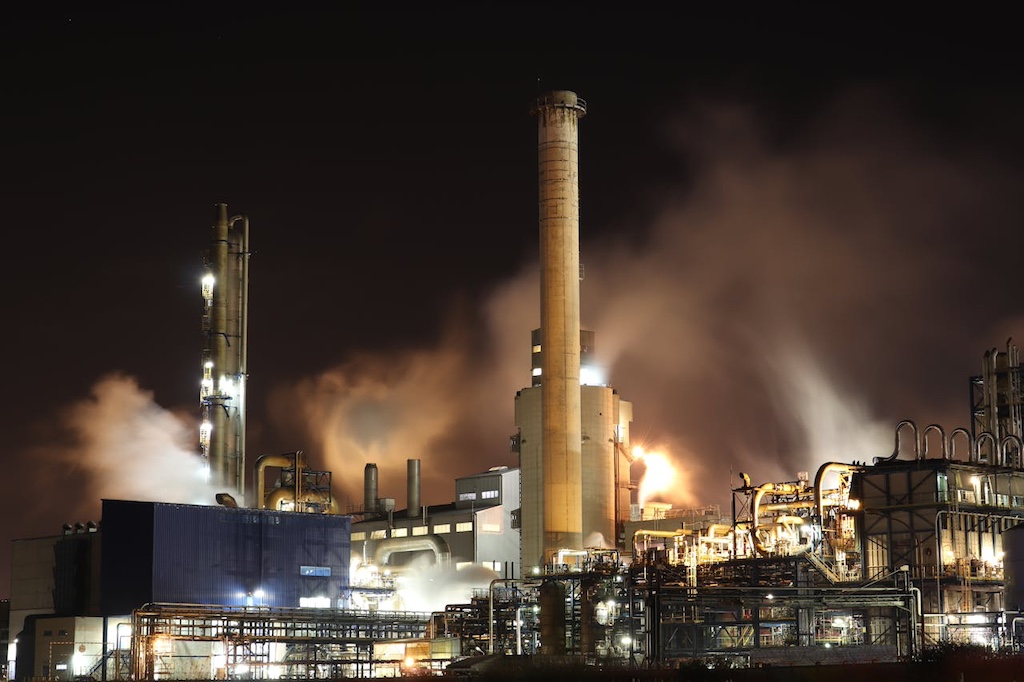
Most carbon and oil pollution is caused by human activities. The use of motor vehicles, fossil fuel–based power plants, and large-scale industrial processes are major source of carbon emissions. Meanwhile, poorly managed oil exploration, production, transportation, and usage increase the risk of environmental contamination.
The real impacts of this pollution can be seen around us, such as declining air quality in urban areas, polluted rivers and seas, and reduced biodiversity. Communities also experience the consequences through increased respiratory diseases, declining agricultural productivity, and disrupted livelihoods, especially for those who depend on natural resources.
Real Actions That Can Be Taken
To address carbon and oil pollution, concrete and sustainable actions are required. One important step is reducing carbon emissions, which can be achieved through the use of renewable energy, improved energy efficiency, and more environmentally friendly consumption patterns. Low-emission transportation and green technologies also play a significant role in reducing carbon output.
In addition, more responsible oil waste management must become a priority. Industries and businesses need to implement strict waste management standards, including oil spill prevention and fast, effective environmental recovery when contamination occurs.
These efforts will not succeed without collaboration between individuals, industries, and governments. Individuals can contribute by adopting sustainable lifestyles, industries must take responsibility by applying environmentally friendly practices, and governments play a key role in establishing regulations and enforcing strict supervision.
The use of environmentally safe products for cleaning carbon and oil residues is also a supportive solution. Eco-friendly cleaning products designed to remove pollutants without harming ecosystems can help environmental recovery efforts, both on land and in water.
Conclusion
When carbon and oil pollute nature, the impacts are widespread and long-term. Despite the different characteristics of these two pollutants, the urgency to act remains the same. Through reducing carbon emissions, responsible oil waste management, cross-sector collaboration, and the use of environmentally friendly products, pollution can be reduced and the environment restored. It is time to take action—not only for nature, but also for the sustainability of life for present and future generations.
Read other Articles: Oil Spills – A Serious Threat to Marine Ecosystems