

Introduction
As modern engine technology continues to evolve, various systems have been developed to improve efficiency while reducing exhaust emissions. One of the most important components used in both diesel and gasoline engines is the Exhaust Gas Recirculation (EGR) system.
Although the EGR system plays a significant role in reducing emissions, it also faces operational challenges. Over time, carbon deposits can accumulate inside the EGR valve and passages. If left untreated, this build-up can affect engine performance, increase fuel consumption, and reduce the effectiveness of the vehicle’s emission control system.
Therefore, understanding how the EGR system works, why carbon deposits form, and how they affect engine performance is essential for maintaining engine efficiency and extending service life. With proper maintenance, the EGR system can continue to operate effectively and help vehicles comply with emission standards.
What Is the EGR System in a Vehicle?
The Exhaust Gas Recirculation (EGR) system is designed to reduce exhaust emissions, particularly Nitrogen Oxides (NOx), which are produced during the combustion process inside the engine.
The working principle of the EGR system is relatively simple. A portion of the exhaust gases is redirected back into the intake manifold, where it mixes with fresh incoming air. By recirculating exhaust gases, the combustion temperature is lowered, which helps reduce the formation of NOx emissions.
The EGR system is commonly used in:
- Diesel vehicles
- Modern gasoline vehicles
- Trucks and commercial vehicles
- Certain heavy equipment and industrial engines
Because it operates directly with exhaust gases, EGR components are naturally exposed to carbon deposits generated during combustion.
Under normal conditions, a certain amount of carbon accumulation is acceptable. However, excessive build-up can interfere with the performance of the EGR system.
Why Does Carbon Build Up in the EGR System?
Carbon deposits in the EGR system originate from combustion particles that are not completely burned during the combustion process. As exhaust gases flow through the EGR passages, some of these particles stick to the walls of the passages and the EGR valve.
Over time, the carbon layer becomes thicker and forms deposits that restrict the flow of exhaust gases.
Several factors can accelerate carbon build-up in the EGR system, including:
Incomplete Combustion
Poor combustion produces more soot and carbon particles. The more particles generated, the higher the risk of deposits forming inside the EGR system.
Low-Quality Fuel
Fuel that does not meet engine specifications can produce more combustion residue compared to high-quality fuel, increasing the likelihood of carbon accumulation.
Vehicle Operating Conditions
Vehicles that are frequently used for short trips or stop-and-go driving conditions tend to experience faster carbon build-up than vehicles operating at optimal engine temperatures for longer periods.
Poor Engine Maintenance
Dirty air filters, malfunctioning fuel injectors, or combustion system issues can increase carbon formation and accelerate contamination within the EGR system.
Because this process occurs gradually, many vehicle owners do not notice the problem until engine performance issues begin to appear.
The Impact of Carbon Build-Up on Engine Performance, Emissions, and Fuel Consumption
Excessive carbon deposits can interfere with the primary function of the EGR system and negatively affect several aspects of vehicle performance.
Reduced Engine Performance
When the EGR valve or passages become clogged with carbon deposits, the recirculation of exhaust gases can no longer function properly.
As a result:
- Acceleration response may become slower
- Engine power may decrease
- The engine may feel less responsive under load
- Idle speed may become unstable
In some cases, the vehicle may enter limp mode or experience electronically controlled power reduction to protect the engine.
Increased Exhaust Emissions
A malfunctioning EGR system can lead to higher combustion temperatures. This condition promotes the formation of NOx, one of the major pollutants produced by internal combustion engines.
As a result, the vehicle may produce higher emissions and struggle to meet applicable environmental regulations.
Higher Fuel Consumption
An engine operating inefficiently due to EGR system problems typically requires more fuel to generate the same amount of power.
This can result in:
- Increased fuel consumption
- Higher operating costs
- Reduced engine efficiency
Over time, these issues not only increase expenses but may also contribute to premature wear of other engine components.
Potential Damage to Related Components
Untreated carbon build-up can also affect other connected components, such as:
- Intake manifold
- Turbocharger
- Airflow sensors
- Other emission control systems
The longer carbon deposits remain in the system, the greater the risk of component damage and costly repairs.
The Importance of EGR System Maintenance
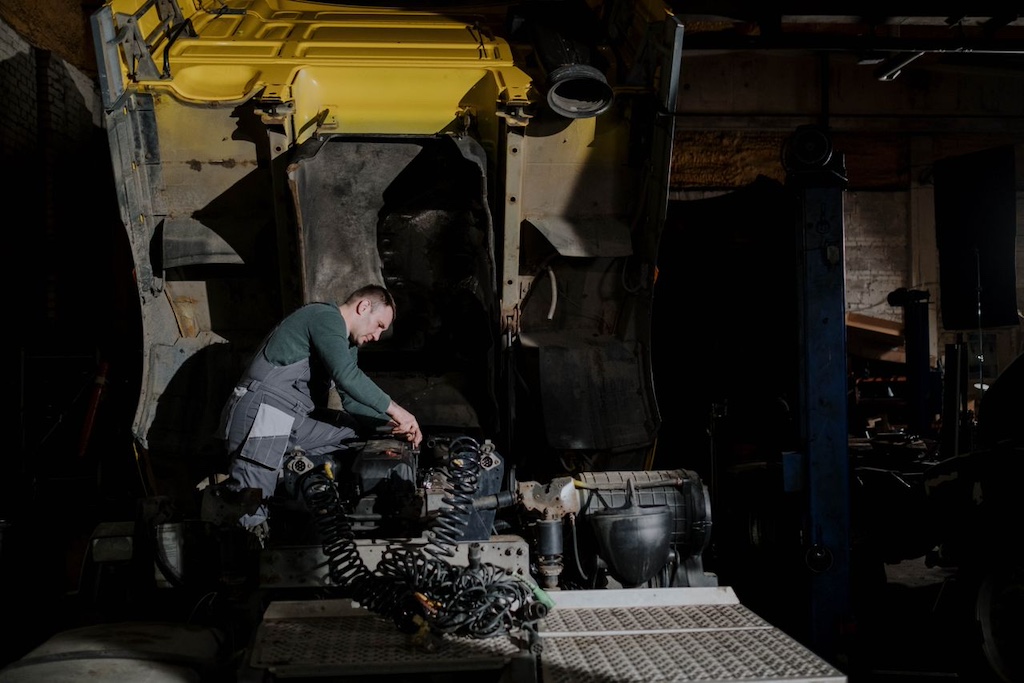
Since the EGR system continuously handles exhaust gases, regular inspection and cleaning are essential parts of vehicle maintenance.
Several practices can help keep the EGR system operating efficiently:
- Use high-quality fuel
- Follow the manufacturer’s recommended maintenance schedule
- Ensure the combustion system operates properly
- Clean EGR valves and passages when necessary
- Use suitable carbon-cleaning products to help reduce carbon deposits
Consistent maintenance helps maintain proper EGR flow and supports optimal engine performance.
Conclusion
The EGR system plays an important role in reducing vehicle emissions and improving combustion efficiency. However, because it constantly handles exhaust gases, it is susceptible to carbon build-up that can affect its performance.
Excessive carbon deposits in the EGR system can lead to reduced engine performance, increased emissions, higher fuel consumption, and potential damage to related components. Therefore, routine inspection and maintenance are essential to keep the system functioning properly.
By understanding the causes and effects of carbon build-up, vehicle owners and fleet operators can take preventive measures to maintain engine efficiency, reduce emissions, and minimize operating costs over the long term.
Read other Articles: SCR Maintenance: AdBlue® Keeping Engines Clean & Efficient