

In industrial, construction, and heavy equipment maintenance sectors, surface condition plays a crucial role in determining material quality, durability, and workplace safety. Surfaces covered with rust, old paint, scale, or other contaminants can reduce material performance and interfere with further treatment processes. Therefore, an efficient and reliable cleaning method is required. One of the most widely used solutions is sandblasting. This method is known for its ability to thoroughly clean surfaces while preparing them for subsequent protective processes such as coating or painting.
How Sandblasting Works in Surface Cleaning
Sandblasting works by spraying abrasive media at high pressure onto a material’s surface. Abrasive materials such as special sand, steel grit, or other blasting media are propelled using compressed air or mechanical systems. When these particles hit the surface, they effectively remove rust, old paint, oil, and other contaminants.
This process not only cleans the surface but also creates a controlled rough surface profile. This surface profile is essential because it improves the adhesion of protective coatings applied afterward. As a result, sandblasting is not just a visual cleaning method, but a technical preparation process that enhances surface quality for further treatment.
Advantages of Sandblasting Compared to Other Methods
Compared to manual or chemical cleaning methods, sandblasting offers several significant advantages. First, it can reach hard-to-access areas such as corners, gaps, and uneven surfaces that are difficult to clean using conventional methods. Second, the process is fast and consistent, making it suitable for large-scale projects and industrial operations with tight schedules.
In addition, sandblasting is highly effective at removing heavy rust and hardened old coatings. The method can be adjusted based on material type and contamination level by selecting the appropriate abrasive media and pressure. This flexibility makes sandblasting an efficient cleaning solution for metal, concrete, and various industrial surfaces.
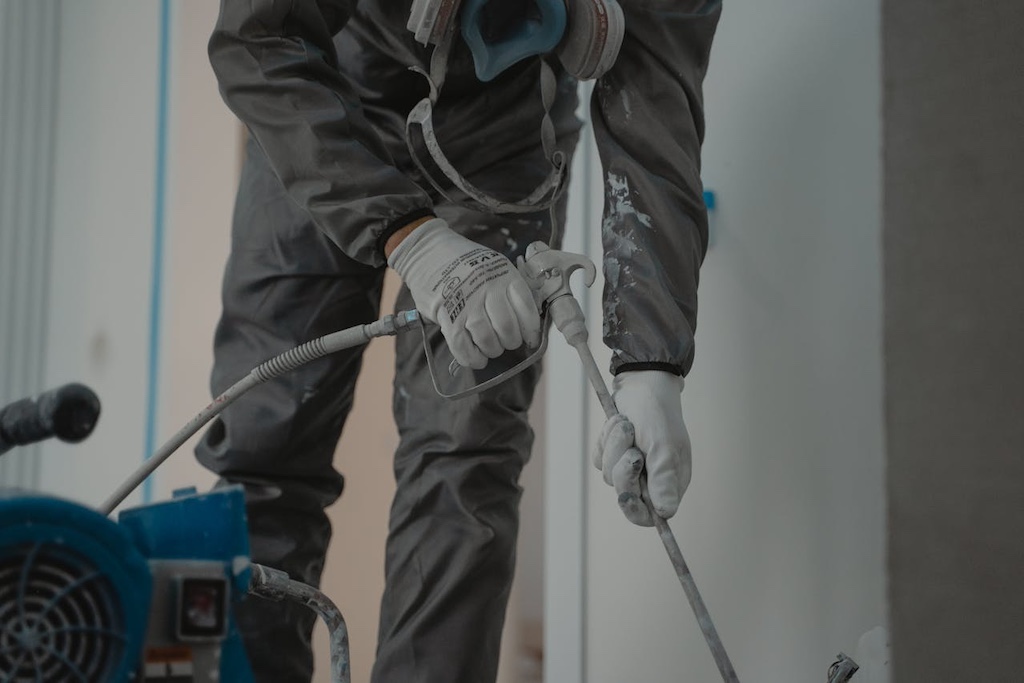
The Role of Sandblasting as the First Step in Surface Protection
Sandblasting plays a critical role as the initial stage of surface protection systems. A properly cleaned and profiled surface significantly improves the adhesion of paint, coatings, or anti-corrosion layers. This directly affects the durability of the protective layer against abrasion, chemicals, and harsh environmental conditions.
In the maritime, manufacturing, and construction industries, sandblasting is often a standard requirement before applying protective coatings. Without this step, coatings are more likely to peel or fail prematurely. Therefore, sandblasting is not only a cleaning process but also a long-term investment that helps extend material lifespan and reduce maintenance costs.
Conclusion
Sandblasting is a proven surface cleaning method that is effective, fast, and reliable for various industrial applications. By using high-pressure abrasive media, it thoroughly removes contaminants while preparing surfaces for further protection. Its advantages over other cleaning methods and its role as the foundation of surface protection make sandblasting a strategic solution for maintaining material quality, durability, and operational efficiency. Proper sandblasting application supports better performance and long-term sustainability in industrial environments.
Read other Articles: Scale Remover: Eliminating Scale and Extending Machine Lifespan