

Introduction
Industrial assets such as machinery, steel structures, tanks, piping, operational vehicles, and various heavy equipment components play an important role in maintaining smooth operations. However, metal-based assets also face one of the most common challenges in industrial environments: corrosion.
Exposure to water, humidity, chemicals, air with high salt content, temperature fluctuations, and aggressive working conditions can accelerate corrosion on metal surfaces. If not properly managed, corrosion not only affects the appearance of an asset but can also reduce surface quality, accelerate material deterioration, and increase maintenance requirements.
One approach commonly used to protect industrial assets is industrial painting. Unlike conventional decorative painting, industrial painting is designed as part of a surface protection system to help protect surfaces against various environmental and operational conditions.
However, the success of industrial painting does not depend solely on the type of coating used. Surface condition before application, surface preparation methods, environmental conditions during application, and coating system selection all need to be considered to ensure optimal protection.
So, how can corrosion affect industrial assets, and why can industrial painting become an important part of an asset protection strategy?
Corrosion and Its Impact on Industrial Assets
Corrosion is a material degradation process that occurs due to a reaction between a material, particularly metal, and its surrounding environment. In iron- and steel-based materials, one of the most common forms of corrosion is rust formation caused by the interaction between iron, water, and oxygen.
In industrial environments, this process can occur more rapidly due to additional factors. High humidity, continuous water exposure, chemicals, dust, salt, pollutants, and certain temperatures can create conditions that support corrosion.
The impact can vary depending on the type of asset and its operating environment. On steel structures, for example, developing corrosion can reduce material thickness and affect structural integrity. In piping and tanks, corrosion can be one of the factors that needs to be considered when maintaining system reliability and preventing surface damage.
Meanwhile, in heavy equipment and operational vehicles, corrosion can occur on chassis, bodywork, supporting components, and other metal structures that are frequently exposed to mud, water, dust, chemicals, or harsh environmental conditions.
If corrosion is allowed to develop without proper control, maintenance activities can become more complex. A surface that initially shows only discoloration or light rust may eventually develop into damage requiring more intensive surface preparation, material repairs, or even replacement of certain components.
Therefore, corrosion control should not only be carried out when damage has become severe. Surface protection can be incorporated into a preventive maintenance strategy to help maintain asset condition over the long term.
The Role of Industrial Painting in Corrosion Protection
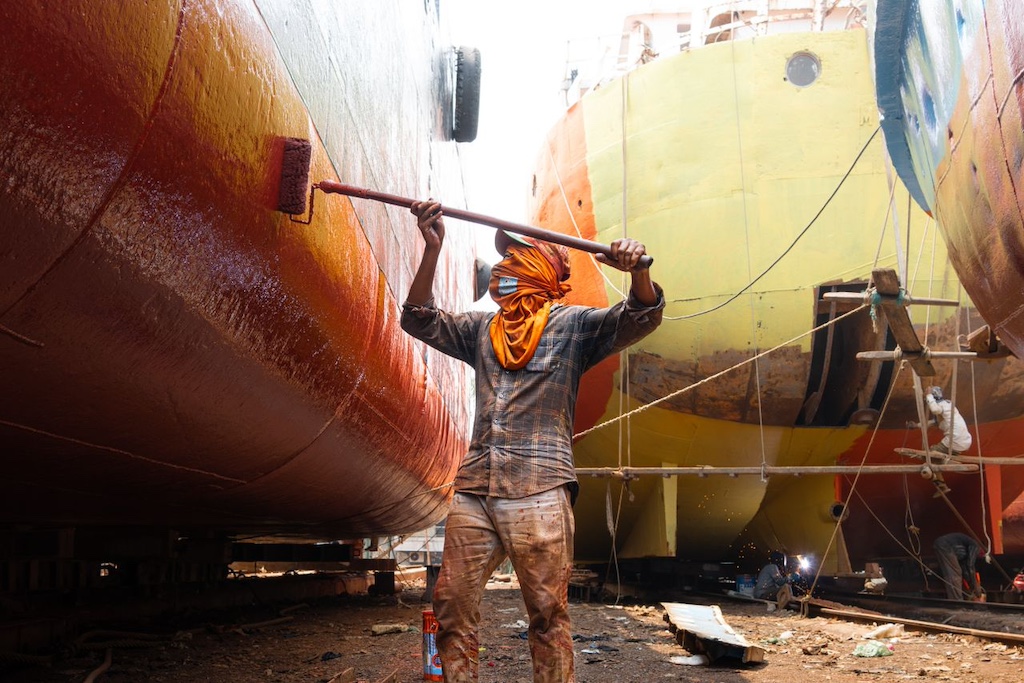
Industrial painting is a painting system designed for industrial applications by considering environmental conditions, surface characteristics, exposure levels, and asset protection requirements.
In the context of corrosion control, coating can function as a barrier between the metal surface and its surrounding environment. This layer helps reduce direct contact between the metal surface and external factors such as water, humidity, chemicals, air, and other contaminants that can trigger or accelerate corrosion.
However, industrial painting does not always mean applying only a single layer of paint. Coating systems for industrial applications may consist of several layers with different functions, depending on the specifications and application conditions.
In general, such systems may involve primer, intermediate coat, and topcoat. The primer helps establish adhesion with the substrate while providing initial protection. The intermediate coat can provide additional thickness and protection, while the topcoat serves as the outermost layer exposed to environmental conditions and also helps provide protection and finishing to the surface.
The coating system should be selected according to the operating conditions. Assets located in environments with high humidity, for example, have different requirements from assets exposed to chemicals or intense abrasion.
In mining and heavy equipment industries, for instance, coatings may face a combination of humidity, mud, dust, impact, and abrasion. Meanwhile, in manufacturing or energy facilities, surfaces may be exposed to chemicals, certain temperatures, or different environmental conditions.
Therefore, coating selection should not be based solely on color or final appearance. Material type, environmental conditions, exposure levels, durability requirements, application methods, and technical specifications should all be taken into consideration.
With this approach, industrial painting can be positioned not merely as a painting activity, but as part of an asset protection strategy.
Surface Preparation Determines Coating Quality
One of the key aspects that determines the success of an industrial painting system is surface preparation.
Even a coating with excellent characteristics may not perform optimally if it is applied to a surface that has not been properly prepared. Dust, oil, grease, rust, mill scale, moisture, remnants of old coatings, and other contaminants can interfere with adhesion between the coating and the substrate.
Therefore, before the application process begins, the surface condition needs to be inspected and prepared according to the requirements of the coating system.
Surface preparation may include several stages, ranging from cleaning, degreasing, mechanical preparation, abrasive blasting, to other preparation methods depending on the surface condition and job specifications.
For surfaces affected by rust or containing old coatings that have deteriorated or no longer have good adhesion, for example, a preparation method is required that can remove contaminants and materials that no longer adhere properly.
One method commonly used in industrial coating work is abrasive blasting or sandblasting. This method uses abrasive materials to clean the surface while creating a specific surface profile, allowing the coating to achieve better contact and adhesion with the substrate.
Surface preparation also needs to consider the required level of cleanliness and surface profile for the coating system. These specifications may vary depending on the type of coating, substrate material, environmental conditions, and applicable work standards.
In addition to surface cleanliness, environmental conditions during coating application also need to be considered. Temperature, humidity, surface condition, and the potential for condensation can affect the application and curing process of the coating.
Therefore, industrial painting should be viewed as a system consisting of several stages, rather than simply the process of applying paint to a surface.
Proper surface preparation can help improve adhesion, reduce the risk of coating failure, and support the long-term performance of the protective coating system.
The Benefits of Industrial Painting for Industrial Efficiency
Corrosion protection through industrial painting is not only related to the physical condition of an asset. In the long term, a surface protection system can also be related to maintenance, reliability, operational continuity, and cost efficiency.
One of its main benefits is helping extend the service life of asset surfaces. With an appropriate coating system in place, materials can receive additional protection against environmental conditions that may accelerate degradation.
This is particularly important for assets with high investment value or those that play a direct role in operational activities. Damage to certain assets can lead to additional maintenance work, temporary operational shutdowns, and even the need to replace components.
Reducing the Risk of Unplanned Maintenance
Developing corrosion can make maintenance activities more complex. In addition to the process of removing rust, further damage may require repairs, material replacement, or other additional work.
Applying coating as part of preventive maintenance can help companies manage asset surface conditions before damage progresses further.
Supporting Asset Reliability
Industrial assets need to remain in a condition that supports consistent operations. Appropriate surface protection can help maintain the physical condition of assets and reduce direct exposure of materials to aggressive environments.
Industrial painting can therefore become one component of an asset management strategy alongside inspection, maintenance, cleaning, and other protection methods.
Helping Control Long-Term Costs
Costs associated with corrosion are not always limited to coating purchases. Corrosion-related damage can involve labor costs, downtime, repairs, component replacement, and potential disruptions to production processes.
By implementing planned protection and maintenance, companies have the opportunity to manage these requirements in a more systematic manner.
Maintaining Asset Condition and Appearance
In addition to protection, industrial painting can help maintain the appearance of asset surfaces. An appropriate coating system can provide a more uniform finish while helping protect surfaces against various environmental exposures.
In some industrial facilities, maintaining the visual condition of assets can also support housekeeping efforts and contribute to a more organized working environment.
Industrial Painting for Various Industrial Sectors
Surface protection requirements can be found across various sectors because almost every industry uses metal-based assets with different levels of exposure.
In the mining and heavy equipment sectors, coatings can be used to help protect various structures and components against a combination of humidity, soil, mud, dust, abrasion, and demanding operating conditions.
In the manufacturing sector, industrial painting can be applied to steel structures, equipment, machinery, piping, and certain facility areas that require protection against the working environment.
Meanwhile, in the construction sector, coatings can be used on various steel structures and construction components that require protection against environmental conditions during and after construction.
In the energy sector, surface protection may be required for various structures, equipment, piping, and facilities exposed to specific environmental and operational conditions.
For the automotive and transportation sectors, industrial painting can also play a role in protecting various metal components and structures used in environments with high exposure and activity levels.
Each application naturally has different characteristics. Therefore, the coating system used should be determined based on technical and operational requirements rather than simply the type of industry.
Factors to Consider in Industrial Painting
Before determining an industrial painting system, several factors need to be considered to ensure that the solution is appropriate for the asset’s requirements.
1. Surface Condition
The initial condition of the substrate should be inspected first. Whether the surface is still in good condition, has light rust, contains an old coating, or has more severe damage will determine the required level of surface preparation.
2. Operating Environment
The environment in which the asset operates should also be identified. Exposure to water, humidity, chemicals, salt, dust, temperature, and abrasion can affect coating selection.
3. Substrate Type and Characteristics
The material to be coated needs to be considered because each substrate can have different surface characteristics and preparation requirements.
4. Exposure Levels and Operational Loads
Assets located in areas with high activity levels, friction, impact, or exposure to certain substances may require a protective system with specific characteristics.
5. Surface Preparation
The surface preparation method should be adjusted to the surface condition and coating system to be applied. Proper preparation is an important part of achieving good adhesion and coating performance.
6. Application Method and Conditions
Application techniques, temperature, humidity, area cleanliness, curing time, and environmental conditions during the work should also be considered to support the final result.
7. Maintenance and Inspection
After the coating has been applied, the surface condition still needs to be monitored. Regular inspections can help identify damage at an early stage and determine whether touch-up, repair, or recoating is required.
Industrial Painting as Part of a Surface Protection Strategy
Corrosion is one of the challenges that needs to be managed in industrial asset maintenance. Because the corrosion process can be influenced by many factors, an effective protection approach also needs to be carried out comprehensively.
Industrial painting can be one component of this strategy, particularly when the coating system is selected based on asset condition, operating environment, and specific protection requirements.
However, coating is not a standalone solution. Surface inspection, surface preparation, application, curing, maintenance, and regular inspection are interconnected processes.
This approach allows companies to focus not only on repairs after damage has occurred, but also on establishing a preventive maintenance system to maintain asset condition continuously.
For companies managing large numbers of assets, a planned surface protection approach can also help integrate coating work into a more systematic maintenance program.
Conclusion
Corrosion can be a significant challenge for various industrial assets, especially when metal materials are continuously exposed to humidity, chemicals, abrasion, temperature fluctuations, and aggressive operating conditions. If not properly managed, corrosion-related damage can increase maintenance requirements and potentially affect operational continuity.
Industrial painting can be one approach to help protect asset surfaces against environmental exposure while supporting an asset maintenance strategy. However, successful protection is not determined solely by the type of coating used. Surface preparation, coating system selection, application conditions, and post-application maintenance are equally important.
By understanding asset conditions and operating environments comprehensively, companies can determine a surface protection strategy that is more suitable for their technical and operational requirements.
As part of industrial solutions, Hasgara provides various solutions related to surface protection, industrial coating, and maintenance requirements that can be adapted to the characteristics and needs of industrial assets. The right approach can help companies maintain asset condition while supporting long-term reliability and operational efficiency.
Read other Articles: Effective Ways to Use Rust Remover for Ships and Machinery