

Introduction
In industrial environments, the condition of machinery and equipment has a significant impact on smooth operations. Machines that operate continuously are exposed to various contaminants, such as oil, grease, dust, mud, and process residues. If these contaminants are allowed to build up, inspection and maintenance activities can become more difficult.
For this reason, maintenance should not only be performed when a machine experiences a failure. A more planned approach is needed to help keep equipment in good operating condition. One of the key approaches is preventive maintenance.
In a preventive maintenance program, cleaning is an important activity that should not be overlooked. Clean machine surfaces make it easier for technicians to perform inspections and can support the identification of leaks or changes in component condition.
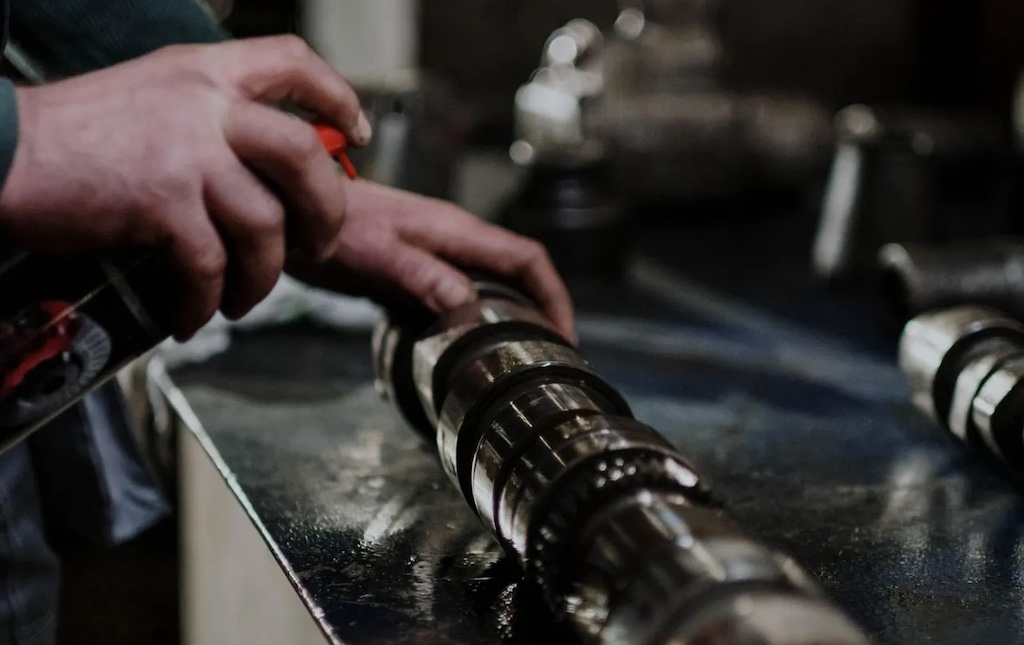
To handle heavy oil and grease contamination, a heavy duty degreaser can be considered as one of the chemical cleaning solutions. With its ability to remove oil-based contaminants, this type of product can be used as part of maintenance activities according to operational requirements and applicable procedures.
What Is Preventive Maintenance?
Preventive maintenance is a planned and scheduled maintenance activity designed to maintain equipment condition and help reduce the possibility of unexpected failures.
Unlike maintenance performed after a failure has occurred, preventive maintenance focuses on taking action before a problem develops. Activities may include inspection, cleaning, lubrication, adjustment, replacement of certain components, and equipment condition checks based on operating schedules or specific parameters.
The main objective is not to guarantee that equipment will never fail, but to help companies manage equipment conditions in a more structured and predictable way.
In industries such as manufacturing, mining, automotive, heavy equipment, construction, energy, and transportation, preventive maintenance is important because equipment downtime can directly affect productivity and operating costs.
Preventive Maintenance vs. Corrective Maintenance
Preventive maintenance and corrective maintenance follow different approaches.
Preventive maintenance is performed before an equipment problem or failure occurs. Activities are planned based on time intervals, operating hours, equipment condition, or manufacturer recommendations.
Meanwhile, corrective maintenance is performed when a problem or failure has already been identified and requires corrective action. Examples include repairing a damaged component, replacing a failed part, or addressing a leak that has already occurred.
Both approaches still have an important role in maintenance management. Preventive maintenance helps reduce the likelihood of unexpected failures, while corrective maintenance is necessary when an existing problem needs to be addressed.
With a well-designed preventive maintenance program, companies can take a more proactive approach to equipment management rather than relying solely on repairs after a failure occurs.
Why Is Heavy Duty Degreaser Important in Preventive Maintenance?
Helping Control Oil and Grease Build-Up
One of the challenges in equipment maintenance is the accumulation of oil and grease on machine surfaces.
These contaminants can come from lubricants used in mechanical systems, grease applied to bearings or linkages, leaks, or daily operating activities.
If they are not cleaned regularly, oil and grease can mix with dust and other particles, forming a layer of dirt that becomes increasingly difficult to remove.
A heavy duty degreaser can help remove this contamination, leaving equipment surfaces cleaner and easier to inspect.
Within a preventive maintenance program, cleaning can therefore become part of routine activities designed to help maintain equipment condition.
Helping Make Visual Inspections Easier
Clean machine surfaces provide better conditions for visual inspections.
For example, a small oil leak may be difficult to detect when the entire machine surface is covered with grease and dust. Once the surface has been cleaned, signs such as oil seepage, leaks, or changes in component condition may become easier to identify.
However, cleaning should not be considered a replacement for other technical inspection methods. Inspections should still be performed according to maintenance procedures and the parameters relevant to the equipment.
In this context, a heavy duty degreaser acts as a supporting cleaning solution that helps create cleaner and more visible surfaces for inspection.
Supporting Maintenance Efficiency
In preventive maintenance, the time required to complete a task is an important consideration.
Heavy contamination that is difficult to remove can increase the time technicians need to spend cleaning equipment before conducting inspections or other maintenance activities.
Using a suitable degreaser can help make the cleaning process more effective, particularly when oil and grease cannot be adequately removed with a regular cleaner.
With a more efficient cleaning process, technicians can proceed to the next maintenance task without spending excessive time on cleaning.
Helping Maintain a Cleaner Work Area
Preventive maintenance is not only about the internal condition of equipment. Workplace cleanliness is also an important part of good industrial operations.
Oil, grease, and other contaminants can make floors and areas around machinery dirty and potentially slippery.
Planned cleaning activities can therefore help maintain good housekeeping and create a more organized working environment.
This is also relevant to HSE, as controlling contamination can contribute to a safer workplace.
Tips for Maximizing a Preventive Maintenance Program
Using a heavy duty degreaser alone is not enough to create an effective preventive maintenance program. Chemical cleaning should be integrated into a broader and well-structured maintenance strategy.
1. Create a Maintenance Schedule Based on Equipment Condition
Not every machine requires the same maintenance frequency.
Equipment operating under demanding conditions, such as mining or construction environments, may be exposed to higher levels of dust, mud, and grease compared with equipment operating in more controlled environments.
Therefore, preventive maintenance schedules should consider:
- Equipment operating hours
- Workload
- Operating environment
- Equipment type
- Maintenance history
- Manufacturer recommendations
- Level of contamination
This approach allows cleaning and maintenance schedules to be adjusted according to the actual needs of the equipment.
2. Identify the Type of Contamination Before Cleaning
Before selecting a chemical, first identify the type of contamination that needs to be removed.
Dust, mud, oil, grease, carbon deposits, and chemical residues may require different cleaning methods.
A heavy duty degreaser is more relevant when the main contamination consists of oil, grease, and heavy-duty dirt.
Identifying the type of contamination helps the Maintenance team select the right product and avoid unnecessary use of unsuitable chemicals.
3. Consider the Surface Material
Industrial equipment can consist of various materials, including steel, iron, aluminum, plastic, rubber, painted surfaces, and protective coatings.
Not all chemicals have the same compatibility with every material.
Before application, review the product information and conduct a small-area test when necessary. This simple step can help reduce the risk of unwanted changes to the surface or coating.
4. Use the Correct Concentration and Application Method
For concentrated products, use the dilution ratio recommended by the manufacturer.
Using a concentration that is too low may make the cleaning process less effective. On the other hand, using a higher concentration does not necessarily mean that the cleaning result will be better.
The application method should also be considered. Spraying, brushing, wiping, or pressure washing can be selected depending on the equipment condition and product recommendations.
5. Allow the Recommended Contact Time
Chemical cleaners require a certain amount of time to work on contaminants.
Do not rinse the product immediately after application if a specific contact time is required. At the same time, avoid allowing the chemical to dry on the surface if the product instructions do not permit it.
Following the recommended contact time can help produce more consistent cleaning results.
6. Document Maintenance Results
A preventive maintenance program becomes more effective when maintenance activities are properly documented.
The team can record:
- Maintenance date
- Equipment operating hours
- Type of maintenance performed
- Condition before maintenance
- Chemical products used
- Components inspected
- Findings during inspection
- Follow-up actions
This information can be used to identify recurring problems and help determine future maintenance actions.
For companies managing a large number of equipment units, proper documentation can also help Engineering, Maintenance, Procurement, and Management teams evaluate maintenance activities more systematically.
7. Do Not Overlook Safety
A heavy duty degreaser is a chemical cleaning product that must be used according to proper safety procedures.
Before use, the team should review the information provided in the Safety Data Sheet (SDS), including potential hazards, required PPE, storage instructions, handling procedures, and steps to take in case of exposure.
In addition, make sure the equipment is in a safe condition before cleaning begins. If the task requires energy isolation, apply lockout/tagout (LOTO) procedures according to company standards and the specific working conditions.
Preventive maintenance should focus not only on equipment reliability but also on technician safety and workplace safety.
Choosing a Heavy Duty Degreaser for Preventive Maintenance
When selecting a heavy duty degreaser for industrial applications, companies should consider more than just the product price.
Important factors may include oil and grease cleaning performance, material compatibility, application method, dilution requirements, usage efficiency, technical documentation, and safety considerations.
A product that matches operational requirements can help Maintenance teams perform cleaning activities more consistently.
For Procurement teams, this evaluation can also help assess the product’s total value, rather than focusing only on the purchase price per unit. A more effective chemical solution can contribute to better time efficiency and reduced labor requirements.
Heavy Duty Degreaser as Part of a Maintenance Strategy
Preventive maintenance is a system that involves multiple activities, not just one type of task.
Inspection, lubrication, cleaning, adjustment, replacement, monitoring, and documentation can work together to help keep equipment in good operating condition.
Within this system, a heavy duty degreaser can serve as one of the cleaning solutions for handling oil, grease, and heavy contamination.
Its use should still be adjusted according to equipment requirements, company procedures, surface conditions, and product recommendations.
With a structured approach, cleaning is no longer simply an activity performed to make machinery look clean. Instead, it becomes part of an effort to maintain equipment reliability and maintenance efficiency.
Conclusion
Preventive maintenance helps companies manage equipment conditions in a more structured way before problems develop into failures that can disrupt operations. As part of this process, cleaning plays an important role because the build-up of oil, grease, dust, and other contaminants can make inspections more difficult and affect workplace conditions.
A heavy duty degreaser can be an effective cleaning solution for helping remove oil and grease that may be difficult to clean with a regular cleaner. When used correctly, this type of chemical can support cleaning activities, visual inspections, housekeeping, and maintenance efficiency.
However, the effectiveness of a preventive maintenance program depends on the overall maintenance system. Scheduling, contamination identification, chemical selection, material compatibility, documentation, and safety procedures should all be applied consistently.
For industries such as automotive, heavy equipment, mining, manufacturing, construction, energy, and transportation, a structured preventive maintenance approach can help companies maintain equipment reliability while managing downtime and operating costs more effectively.
Ultimately, good maintenance is not only about repairing machines when they fail, but also about maintaining equipment condition before a problem becomes a bigger issue.
Read other Articles: Causes and Impacts of Scale Buildup on Industrial Equipment