

Introduction
Keeping machinery clean is an important part of maintenance activities in industrial environments. Machines that operate continuously can be exposed to various contaminants, including dust, mud, oil, grease, and production residues. If these contaminants are allowed to build up, they can make the machinery difficult to inspect and maintain.
In industries such as automotive, heavy equipment, mining, manufacturing, construction, energy, and transportation, machinery often operates under much more demanding conditions than equipment used in general applications. Oil and grease can accumulate on engines, housings, mechanical components, and surrounding areas, requiring an appropriate cleaning method.
One solution that can be considered for these conditions is a heavy duty degreaser. This type of product is formulated to help remove oil, grease, and heavy dirt from various surfaces, making the cleaning process more effective.
However, using a degreaser for industrial machinery involves more than simply choosing a product with strong cleaning power. Application methods, concentration, surface compatibility, and safety considerations should also be taken into account to achieve effective cleaning without creating additional problems.
Why Do Industrial Machines Need a Heavy Duty Degreaser?
Removing Difficult Oil and Grease
Industrial machinery operates under a wide range of conditions. Friction between components, the use of lubricants, oil leaks, and daily operations can cause oil and grease to accumulate on machine surfaces.
Unlike ordinary dust, oil-based contaminants tend to stick strongly to surfaces and can trap additional dust and particles. As a result, a thick layer of dirt can form and become difficult to remove with water or a mild cleaner alone.
A heavy duty degreaser is formulated to help handle heavy contamination such as oil, grease, and dirt. Its stronger cleaning capability makes it suitable for maintenance tasks where a regular cleaner may not provide sufficient results.
Supporting Machine Inspection
Machinery covered with oil and grease can make visual inspections more difficult. Small leaks, cracks, or the condition of certain components may be harder to identify when surfaces are covered with dirt.
Regularly cleaning machine surfaces can make them easier for technicians to inspect. This can support the identification of component conditions and contribute to both preventive and corrective maintenance activities.
Cleaning does not replace technical inspections, but it can help create a cleaner surface that is easier to examine.
Improving Maintenance Efficiency
Cleaning machinery manually using an unsuitable method can require more time and effort. In industrial environments, maintenance time is directly related to productivity and potential downtime.
Using an appropriate chemical cleaner can help speed up the removal of dirt, allowing technicians to move on to other maintenance tasks more efficiently.
Therefore, a heavy duty degreaser can be part of a cleaning strategy designed to support maintenance efficiency.
Keeping the Work Area Cleaner
Oil and grease spills do not only make machinery look dirty. They can also create unsafe working conditions. Slippery surfaces caused by oil contamination on floors or work areas can increase the risk of slips and falls.
For this reason, controlling oil and grease contamination is an important part of housekeeping in industrial environments. Using the right cleaning chemical can help keep machinery and surrounding work areas cleaner and better controlled.
How to Use a Heavy Duty Degreaser Properly
The effectiveness of a degreaser does not depend only on its formulation. The application method also has a significant impact on the cleaning result.
Before cleaning, technicians should understand the condition of the machinery, the type of dirt, the surface material, and the product’s instructions. Different products may have different recommendations for dilution, contact time, and rinsing methods.
1. Identify the Area to Be Cleaned
The first step is to identify the areas that actually require degreasing. Not every part of a machine should necessarily be treated in the same way.
Check the type of contamination present, such as oil, grease, dust mixed with oil, or other residues. Also identify the surface material, such as metal, plastic, rubber, or painted surfaces.
This step is important to ensure that the selected chemical is suitable for the application.
2. Prepare the Area and Equipment
Before cleaning, remove loose dirt such as dust, mud, and particles that can be easily removed. Make sure the work area has adequate ventilation and prepare suitable equipment such as a sprayer, brush, cloth, or pressure washer, depending on the application.
For industrial cleaning, use the appropriate Personal Protective Equipment (PPE) based on the product’s safety information.
3. Apply the Degreaser According to the Instructions
Apply the heavy duty degreaser to the contaminated area using the application method recommended by the manufacturer.
For concentrated products, pay attention to the recommended dilution ratio. A concentration that is too low may reduce cleaning performance, while using the product outside the recommended concentration may increase the risk of affecting certain surfaces or creating unnecessary exposure for operators.
4. Allow Sufficient Contact Time
After application, allow the degreaser enough contact time to work on the oil and grease.
The contact time should follow the product recommendations. Do not allow the chemical to dry on the surface if the product instructions do not permit it.
For heavier contamination, the cleaning process can be supported with a brush or another suitable mechanical method.
5. Rinse or Remove the Residue
After the dirt has been loosened, rinse the surface or remove the residue according to the recommended procedure.
The goal is to ensure that remaining chemical and contaminants are properly removed. Allow the component to dry naturally or use an appropriate drying method.
6. Inspect the Surface After Cleaning
Cleaning should be followed by a visual inspection. Make sure oil, grease, and residues have been adequately removed.
If heavy contamination remains, the cleaning process can be repeated according to the product instructions and the condition of the surface.
Common Mistakes to Avoid When Using a Heavy Duty Degreaser
Although heavy duty degreasers have strong cleaning capabilities, they still need to be used carefully. Certain mistakes can reduce cleaning effectiveness or even create risks to components and workplace safety.
Using Excessive Concentration
A common assumption is that a stronger chemical concentration will always produce a better cleaning result. However, the product should be used according to the manufacturer’s recommendations.
An incorrect concentration can increase the risk of affecting certain materials and may also make chemical use less efficient.
Always follow the dilution instructions provided in the Technical Data Sheet (TDS) or on the product label.
Ignoring Material Compatibility
Not all surfaces have the same resistance to chemicals. Certain plastics, rubber, coatings, paints, and other materials may require special consideration.
Before performing large-scale cleaning, check the product’s material compatibility information. If necessary, perform a small-area test on a less visible section first.
Allowing the Degreaser to Dry on the Surface
Allowing the chemical to dry on the surface without following the recommended application procedure may leave residue behind or make the cleaning process more difficult.
Therefore, always pay attention to the recommended contact time and rinsing procedure.
Not Using the Appropriate PPE
Heavy duty degreasers are cleaning chemicals formulated to handle heavy contamination. Their use should always take workplace safety into consideration.
Use PPE according to the recommendations in the Safety Data Sheet (SDS), including hand and eye protection and any other protective equipment required for the specific application.
Using the Degreaser on Operating Machinery Without Proper Procedures
Machine cleaning must be performed according to appropriate safety procedures. Certain machines or components may need to be shut down and made safe before cleaning begins.
Make sure lockout/tagout (LOTO) or appropriate energy isolation procedures are followed when relevant to the task and the facility’s safety standards.
Treating Degreasing as a Replacement for Maintenance
A degreaser helps with cleaning, but it does not replace inspection, lubrication, repair, or preventive maintenance.
After cleaning the machinery, technicians should continue with the required maintenance inspections to ensure that components remain in proper operating condition.
How to Choose a Heavy Duty Degreaser for Industrial Applications
Choosing a degreaser should not be based only on the term “heavy duty.” For industrial and B2B applications, several factors should be considered.
First, the type of contamination. Make sure the product is designed to handle the type of oil, grease, and dirt found on the machinery.
Second, the surface material. Consider whether the degreaser will be used on metal, plastic, rubber, painted surfaces, coatings, or a combination of materials.
Third, the application method. Consider whether cleaning will be performed using spraying, brushing, wiping, pressure washing, or another method.
Fourth, operational requirements. A product that is easy to apply and compatible with existing cleaning procedures can help improve maintenance efficiency.
Fifth, safety and technical documentation. For professional applications, make sure technical information such as the TDS and SDS is available so that the team can understand the product’s characteristics, application method, and required safety measures.
This approach helps Procurement and Maintenance teams select products based not only on price but also on their overall value and suitability for the operational requirements.
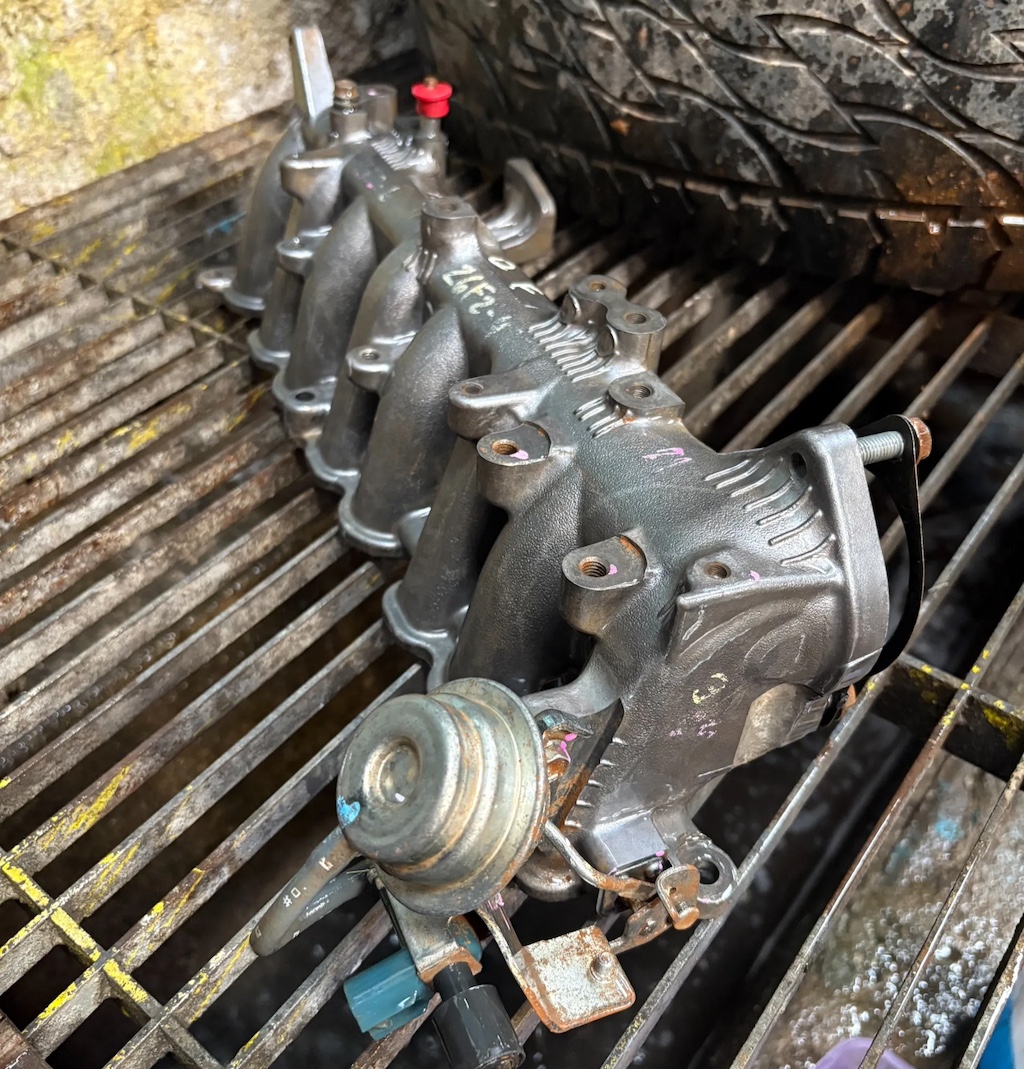
Heavy Duty Degreaser as Part of a Maintenance Strategy
In industrial environments, cleaning should not be viewed as an additional task that is performed only when machinery becomes extremely dirty. Cleaning can be part of a broader maintenance strategy that helps maintain equipment condition and workplace cleanliness.
Proper use of a heavy duty degreaser can support the removal of oil and grease contamination, particularly in areas that require stronger cleaning performance.
However, cleaning frequency should be determined based on the condition of the machinery, operating environment, type of contamination, and maintenance procedures applicable to each facility.
In areas such as mining sites, workshops, manufacturing plants, construction projects, and heavy equipment operations, a planned cleaning approach can help maintenance teams work more consistently.
Conclusion
A heavy duty degreaser can be a practical solution for removing oil, grease, and heavy dirt from industrial machinery. Its stronger cleaning capability makes it relevant for various maintenance applications, particularly when a regular cleaner is not effective enough to remove stubborn contamination.
However, the best results do not depend on product performance alone. The type of contamination, surface compatibility, concentration, contact time, application method, and safety considerations should all be taken into account during the cleaning process.
By selecting the right chemical and following the appropriate application procedures, cleaning can be performed more effectively while supporting inspection, maintenance efficiency, housekeeping, and equipment reliability.
For companies operating in the automotive, heavy equipment, mining, manufacturing, construction, energy, and transportation sectors, selecting maintenance solutions that match operational requirements is an important step toward maintaining reliable and efficient operations.
Read other Articles: What’s the Difference Between Multipurpose Cleaner & Heavy Duty Degreaser?