

Workplace safety is a crucial aspect of operations in industrial facilities, warehouses, factories, and commercial areas. One factor that is often overlooked is the condition of the floor where daily activities take place. Slippery, damaged, or contaminated floors can significantly increase the risk of workplace accidents. This is where floor coating plays an important role. Proper floor coating not only improves floor durability but also contributes to creating a safer, more comfortable, and compliant working environment.
Brief Explanation of Floor Coating
Floor coating is the process of applying a special protective layer to floor surfaces using materials such as epoxy, polyurethane, or other resin-based products. This coating is designed to enhance the strength, durability, and functionality of the floor. It protects the surface from heavy loads, friction, chemical exposure, and environmental factors. In addition, floor coating improves aesthetics by creating a cleaner, more organized, and professional appearance. From a safety perspective, floor coating is not just a surface finish but an essential part of workplace safety systems.
The Role of Floor Coating in Preventing Slipping Risks and Workplace Accidents
One of the main causes of workplace accidents is slippery floors caused by liquid spills, oil, or dust. Floor coating is designed with anti-slip properties that help reduce the risk of slipping, especially in high-traffic areas or wet and oily environments. With better traction and surface stability, workers can move more safely.
Floor coating also allows for clear floor markings, such as pedestrian pathways, heavy equipment zones, and hazardous areas. These visual indicators increase workers’ awareness of potential risks, helping to minimize workplace accidents.
The Role of Floor Coating in Protecting Floors from Damage and Contamination
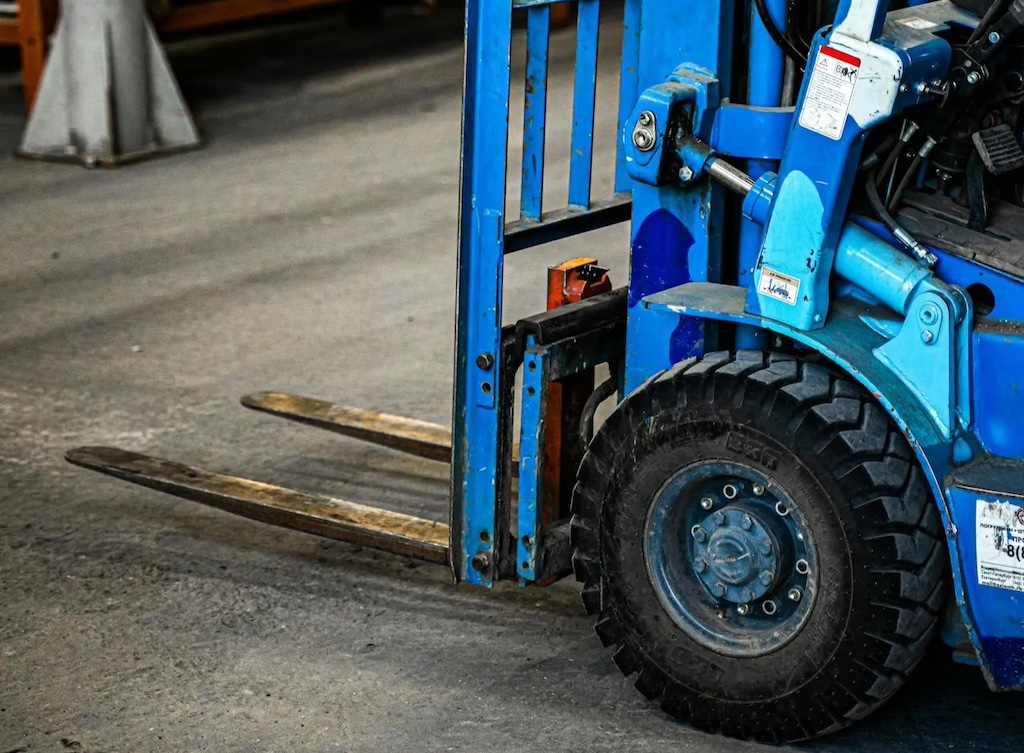
Industrial floors are frequently exposed to heavy loads, machinery friction, chemicals, and various contaminants. Without proper protection, floors can crack, wear out, or become uneven, creating safety hazards. Floor coating acts as a protective layer that maintains floor strength and surface integrity.
In addition to physical protection, floor coating prevents liquids and chemicals from penetrating the floor surface. This is essential for maintaining cleanliness and preventing contamination that may affect worker health or product quality, especially in industries such as food processing, pharmaceuticals, and manufacturing.
The Role of Floor Coating in Supporting Compliance with OHS Standards and the Work Environment
Properly applied floor coating helps companies comply with Occupational Health and Safety (OHS) standards. Floors that are durable, non-slip, easy to clean, and clearly marked are key requirements for a safe working environment. As a result, floor coating becomes a long-term investment in workplace safety management.
Furthermore, floor coating supports a more organized, hygienic, and ergonomic work environment. A well-maintained workspace not only reduces accident risks but also improves worker comfort and productivity. Compliance with OHS standards also helps companies avoid penalties and build trust with clients and business partners.
Conclusion
Floor coating plays a strategic role in supporting workplace safety across various industries. By preventing slipping hazards and accidents, protecting floors from damage and contamination, and supporting compliance with OHS standards, floor coating is an essential solution for creating a safe and sustainable working environment. With proper floor coating application, companies can protect their workforce, improve operational efficiency, and enhance the overall quality of the workplace.
Read other Articles: Hasgara Achieves ISO 9001 Certification for Product Quality and Efficiency