

Introduction
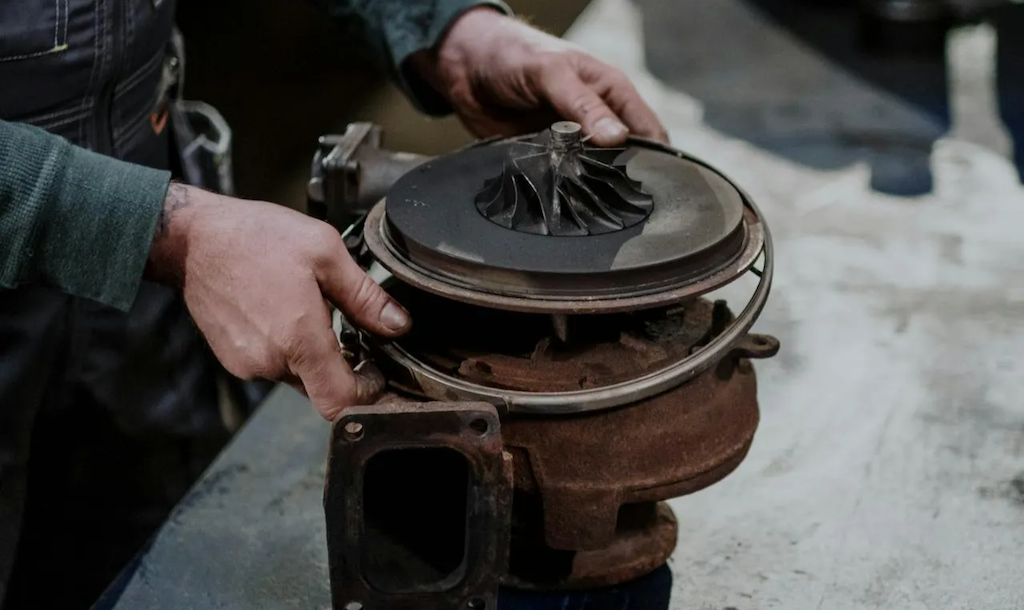
Rust is a common problem affecting ships and industrial equipment made of metal. This oxidation process not only damages appearance but can also reduce performance, lower efficiency, and shorten the lifespan of machinery and ship structures. Understanding the causes of rust, its impact on equipment, and proper prevention strategies is crucial to keeping industrial operations safe, efficient, and durable.
Main Causes of Rust on Ships and Industrial Equipment
Rust forms due to the oxidation of metal when exposed to water and oxygen, which can be accelerated by several factors, such as:
- Marine Environment
Ships and equipment in marine environments are highly susceptible to rust due to high salt content, humidity, and sun exposure. Salt accelerates metal oxidation, causing rust to form faster than on land.
- Contact with Water and Steam
Industrial machinery, pipes, and heat exchangers often come into contact with water or hot steam. This exposure can trigger rust formation on unprotected metal surfaces.
- Damaged Protective Coatings
Peeling anti-rust paint, galvanization, or other protective layers leaves metal exposed, making it more prone to oxidation.
- Lack of Routine Maintenance
Infrequent cleaning and maintenance allow dust, dirt, and moisture to accumulate, increasing the risk of rust formation.
Impacts of Rust on Ship and Industrial Machine Performance
Rust can cause serious consequences for the operation of ships and industrial equipment, including:
- Reduced Machine Performance
Rust on mechanical parts such as pistons, gears, or bearings increases friction, reducing efficiency and accelerating component wear.
- Leaks and Structural Damage
Rust that penetrates ship metal or industrial tanks can cause leaks, threatening operational safety and the environment.
- Long-Term Damage Risk
Accumulated rust deposits can trigger further corrosion, damage critical components, and result in high repair costs.
- Economic and Operational Impact
Rusted ships and industrial equipment require extra maintenance, longer downtime, and higher energy consumption, leading to increased operational costs.
Rust Prevention and Maintenance for Ships and Industrial Equipment
Preventing rust requires proactive strategies, including:
- Metal Coatings and Protection
Apply anti-rust paint, galvanization, or special corrosion-resistant coatings, especially on surfaces exposed to water and steam.
- Routine Maintenance and Cleaning
Regularly clean ships and equipment, remove dirt and moisture, and inspect protective coatings to prevent rust formation.
- Control of Operating Environment
Minimize metal exposure to water and excess humidity. For industrial equipment, use drying systems or dehumidifiers to maintain low humidity.
- Use of Corrosion Inhibitors
In closed systems such as boilers or pipelines, add corrosion inhibitors to prevent metal oxidation.
- Inspection and Prompt Repair
Detect rust early with visual inspections or corrosion measuring tools, and carry out repairs immediately before damage spreads.
Conclusion
Rust on ships and industrial equipment is not a trivial issue. Its impact can reduce machine performance, damage metal structures, increase operational costs, and compromise safety. Prevention through coatings, routine cleaning, environmental control, corrosion inhibitors, and regular inspections is key to maintaining equipment lifespan and performance. With proper maintenance, the risk of rust can be minimized, ensuring ships and industrial machines remain efficient, safe, and durable.
Read other Articles: Causes and Impacts of Scale Buildup on Industrial Equipment